Airseas: A sail ahead in decarbonizing maritime transport
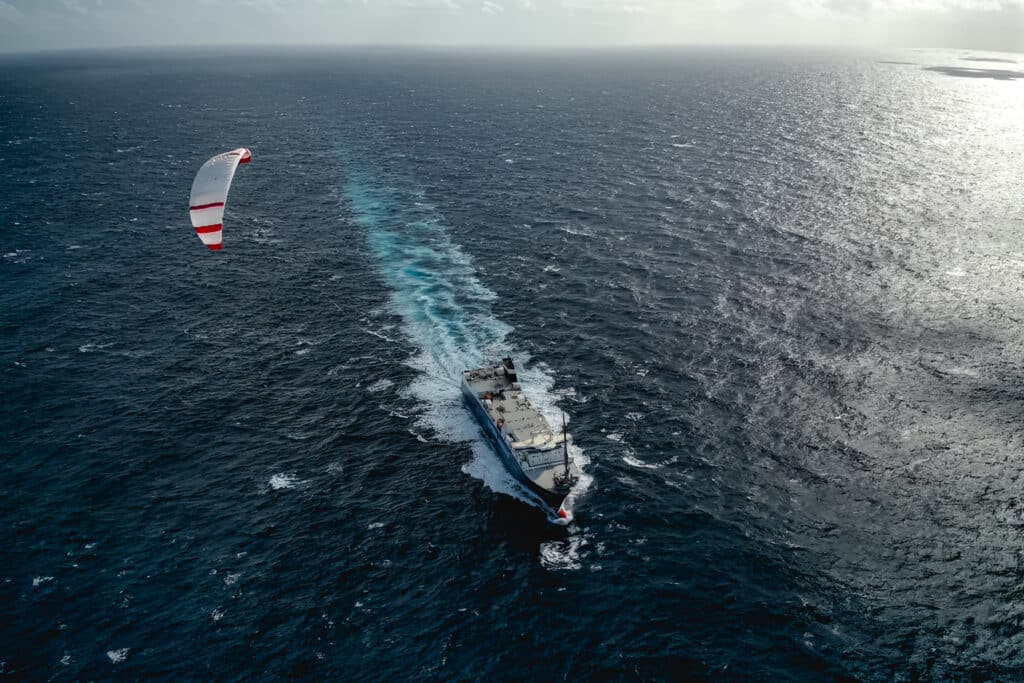
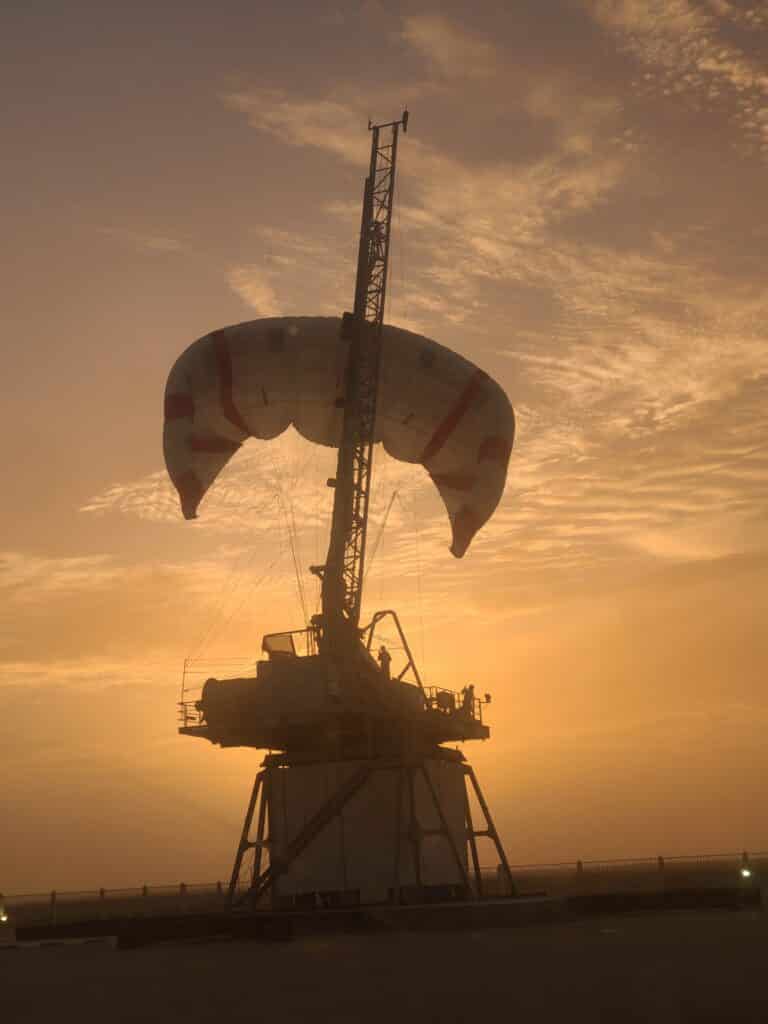
Based at Le Brick in Nantes, Airseas is on a mission to decarbonize maritime transport using a technology inspired by kitesurfing. The company is currently focused on industrializing its automated kite system, Seawing, with the ambition to reduce the average fuel consumption of commercial vessels by 20%.
Airseas was founded in Toulouse in 2016 by a group of Airbus engineers passionate about kitesurfing and sailing. They envisioned equipping ships with an automated kite capable of towing them using wind power.
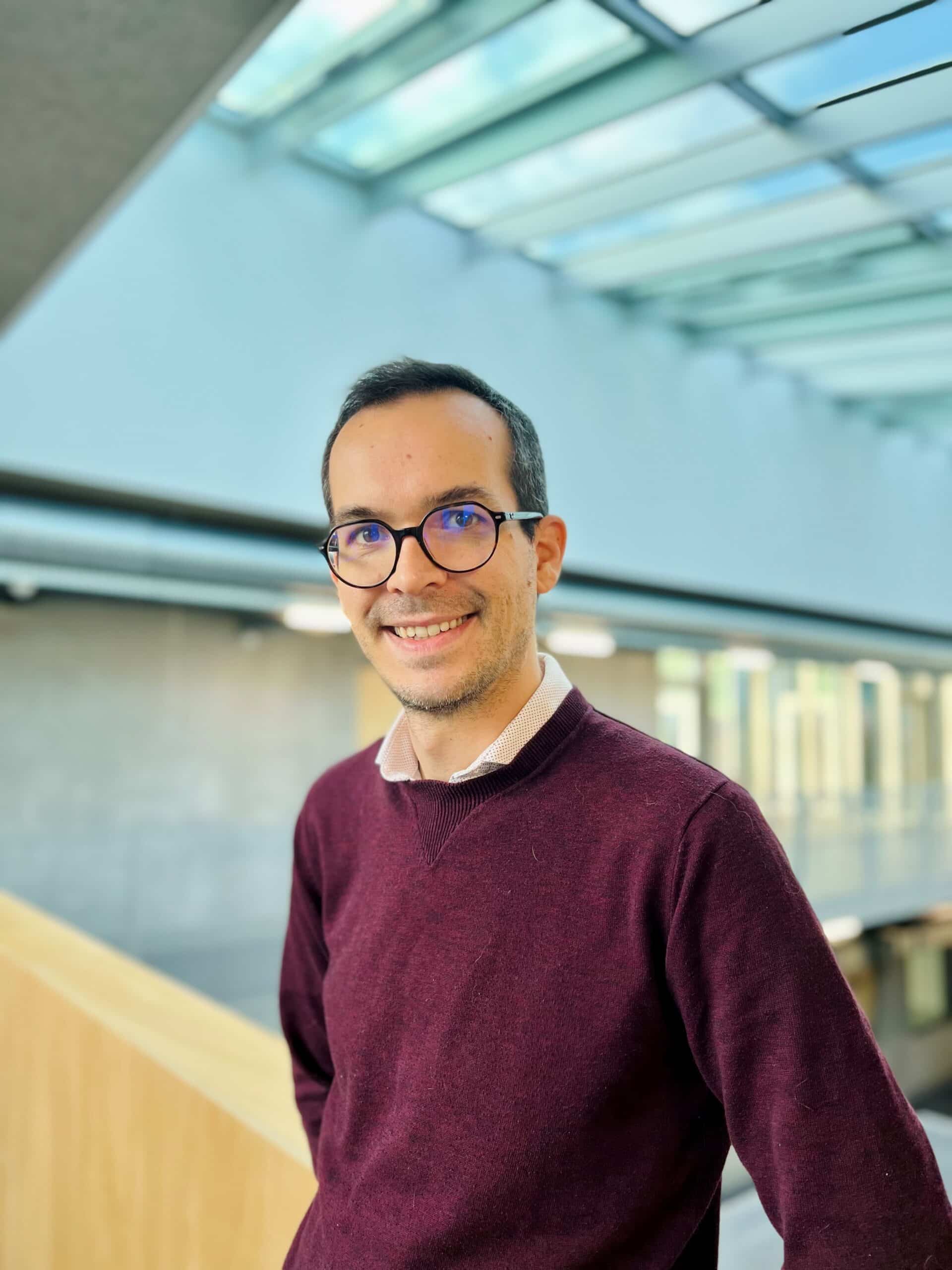
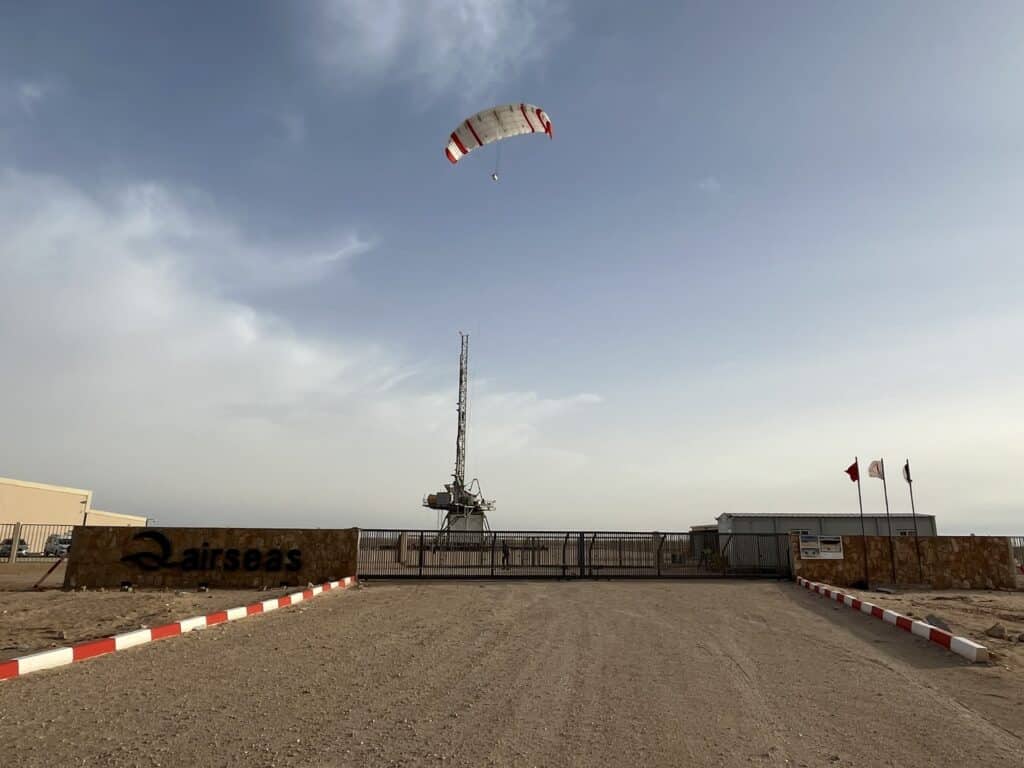
“The first prototype, with a small 4 or 5 m² kite, showed that a dynamic flight generating traction was possible. Subsequent trials, gradually increasing the sail size, confirmed the potential of traction on a larger scale,” explains Mathieu Séguier, Airseas’ Purchasing Manager.
The project quickly gained attention for its environmental and technological potential, leading to a first contract with Airbus in 2018.
From sea trials to industrialization
At the end of 2021, the first kite was installed on an Airbus chartered vessel, the Ville de Bordeaux, used to transport aircraft parts between France and the United States. A few months later, a second contract was signed with Japanese shipping company K Line, to equip one of their ships with a 1,000 m² kite. The system was installed in 2022 on the Cape Brolga, a vessel operating mainly between Japan and Australia.
In Nantes and Saint-Nazaire, there’s a strong engineering momentum around maritime innovation. We feel right at home here. Nantes is fertile ground for rethinking maritime transport
Airseas
Shifting to industrial scale
The results have been convincing: with its fully automated system, Seawing integrates seamlessly into commercial vessels. These successes led the company to take a major step forward. In 2023, Airseas was acquired by Japanese shipping giant K Line.
“Shipowners, shippers, and all players in the maritime sector face mounting pressure to decarbonize their fleets and freight transport. They will have no choice but to implement solutions like wind propulsion,” explains Mikio Aso, Airseas’ Chief Financial Officer.
“The advantage of this system is its adaptability to existing ships without altering their structure, its compactness, and the fact that it does not reduce cargo capacity.”
By 2035, K Line aims to equip a quarter of its fleet, consisting of over 400 ships, with Seawing systems.

Strong presence in the Nantes ecosystem
In 2021, Airseas relocated from Toulouse to Le Brick, a flagship building dedicated to maritime and nautical industries in Bas-Chantenay, Nantes.
“There’s a real spirit of maritime engineering innovation here. Nantes offers fertile ground for rethinking maritime transport,” says Mathieu Séguier.
That same year, Airseas took part in the first edition of “Wind for Goods” and joined a delegation of companies selected by Nantes Saint-Nazaire Développement to attend the “Change Now” event in Paris.
A network of local suppliers
“When we moved from Toulouse, one of our first priorities was to rebuild a network of local suppliers. This local industrial fabric is a real asset for a project like ours since we work in prototype mode with constant adjustments. Having suppliers who can respond quickly, visit the site, and adapt parts directly with our engineering teams is invaluable,” explains Mathieu Séguier.
Around 100 employees in Nantes
Airseas now employs around 100 people and collaborates with local schools and training centers, particularly engineering schools like Centrale Nantes.
“We also prioritize hiring locally because the region offers everything we need in terms of skills. We always receive a large number of applications, even for highly technical positions,” says Pauline Trémulot, Airseas’ Head of Human Resources.