
Our expert
Let us discuss your project
Nantes aims to make reuse a flagship driver of its local economy. More and more projects and initiatives are emerging in this territory, already a pioneer in social and solidarity economy (SSE). The goal is to encourage the reuse of industrial materials, but also construction materials in the building sector, in sustainable fashion, and in responsible digital industries.
The challenge of reuse
Supporting the development of innovative industrial reuse projects is at the heart of the roadmap for the Nantes and Saint-Nazaire region. In Nantes, the reuse approach is being prioritised in four strategic economic sectors: industry and carbon composite materials, sustainable fashion, responsible digital technology, and construction materials.
We have a clear ambition: to make the Pays de la Loire, and even France more broadly, a champion of the circular economy. It’s a true lever for competitiveness.

Underdog
Key figures
1
new reuse centre in 2026
4
key sectors
1
cooperation hub: the Solilab
1
million fund by Nantes Métropole
A fund to support reuse initiatives
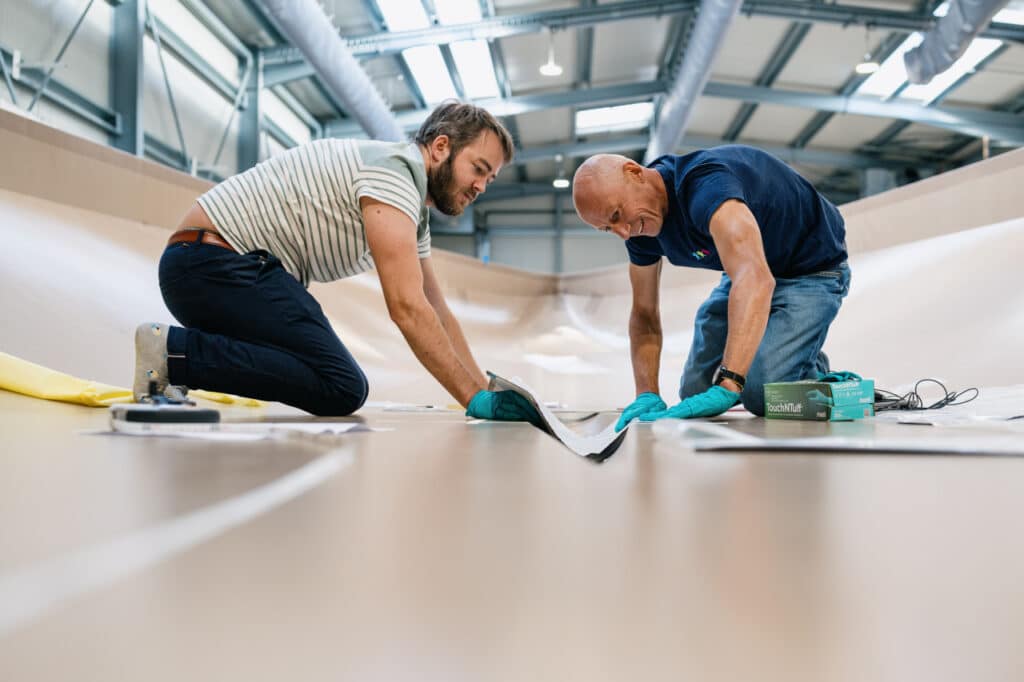
To foster innovation projects related to industrial reuse, Nantes Métropole has launched a €1 million fund. The aim is to support five projects per year between 2024 and 2026, helping develop product innovations, processes, or prototypes. The IMOCA demonstrator by sailor Armel Tripon is expected to be the first flagship project supported by this Reuse Innovation Fund.
Les Ecossolies, champion of solidarity-based reuse
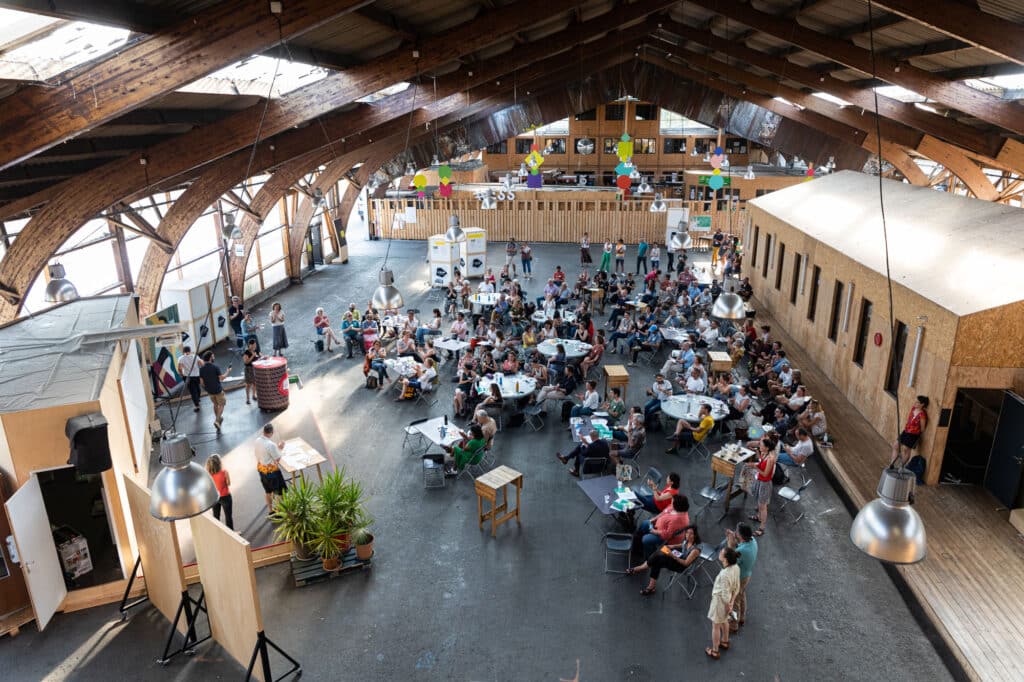
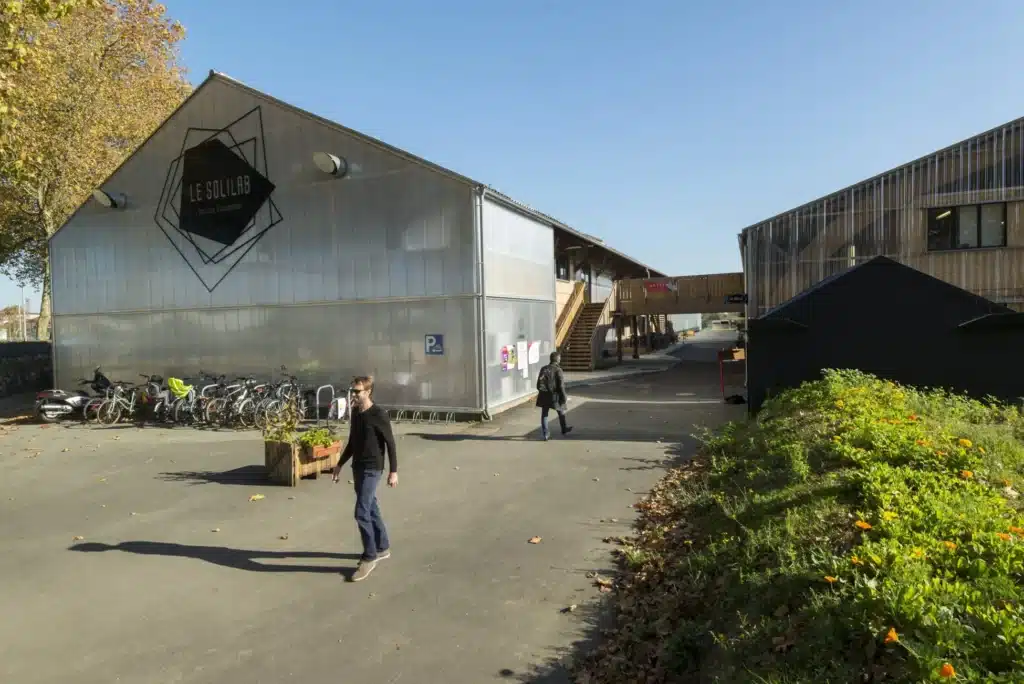
In Nantes and beyond, Les Ecossolies has become a key player in the social and solidarity economy (SSE), with reuse now a priority sector. Celebrating 20 years of SSE in 2024, the organisation runs the Solilab, a collaborative space that hosts several reuse organisations such as Réservoir, Relais, and Envie 44. It provides them with access to a full range of offices, coworking spaces, meeting rooms, and event venues.
New spaces to grow SSE and reuse
A dedicated real estate company for SSE has just been created to meet the high demand for affordable spaces for reuse and SSE projects. Unique in France, it will first finance the new Solilab and offer spaces at attractive rates. This initiative will also facilitate the construction, renovation, and acquisition of other spaces promoting SSE values across the region. A new space open to the public and dedicated to Les Ecossolies will soon open on the ground floor of the new Tour Bretagne, a landmark in Nantes.
The Morrhonnière site will open in 2030
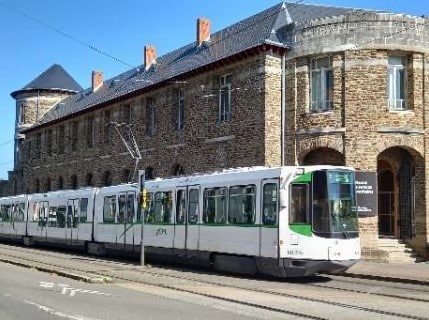
The Morrhonnière site (10,000 m²), inaugurated in 1913 to house the tramway, offers many advantages for hosting Nantes’ future flagship hub for reuse: strong heritage and architectural value, excellent public transport connections, and a large surface area in the heart of the city. It will open its doors in 2030.
Entrepreneurship in reuse
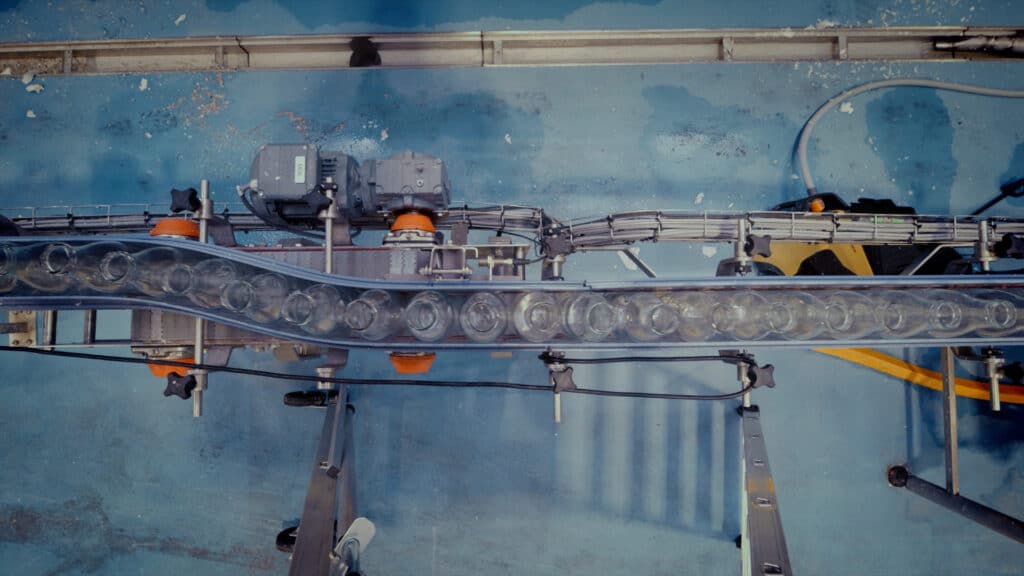
In Nantes, Bout’ A Bout’ operates a reuse chain for glass packaging, including bottles and jars. Nantes is home to France’s first shared bottle-washing factory, with a target of processing 30 million bottles per year. Also founded in Nantes, LivingPackets develops and markets reusable, smart delivery packaging equipped with logistics tracking services, connected digital labels, and built-in autonomous intelligence.
The association Les Connexions works to reuse waste from events, such as stands, carpets, or banners.
A new reuse centre opening in 2026
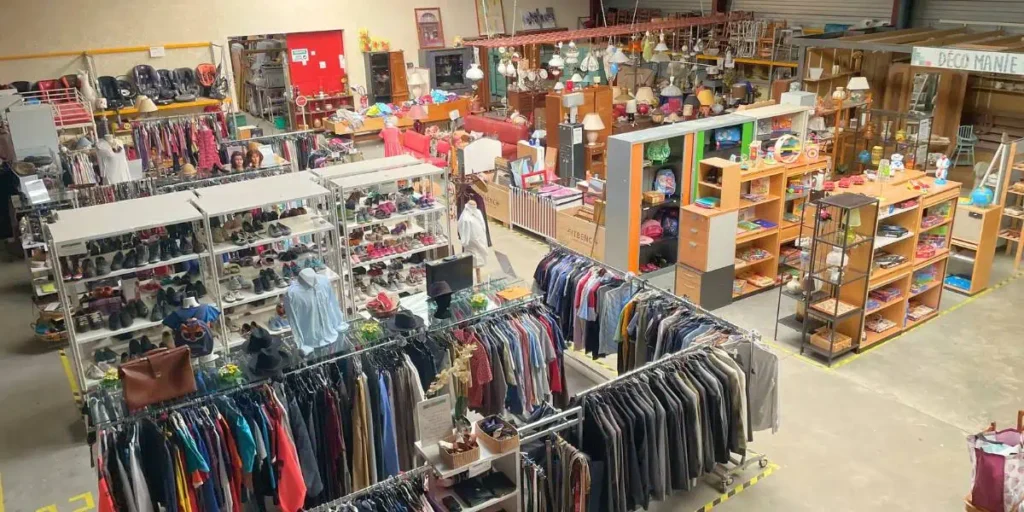
A new reuse centre will open in Rezé, near Nantes, in 2026, with a €2.9 million investment. This ambitious project responds to high demand for reuse and material recovery in the region. By capturing 300 tonnes of objects from recycling centres, the initiative will promote the circular economy and provide economic and ecological solutions to local residents. It represents a major step in strengthening the metropolitan area’s commitment to sustainable development.
Circular economy in Saint-Nazaire
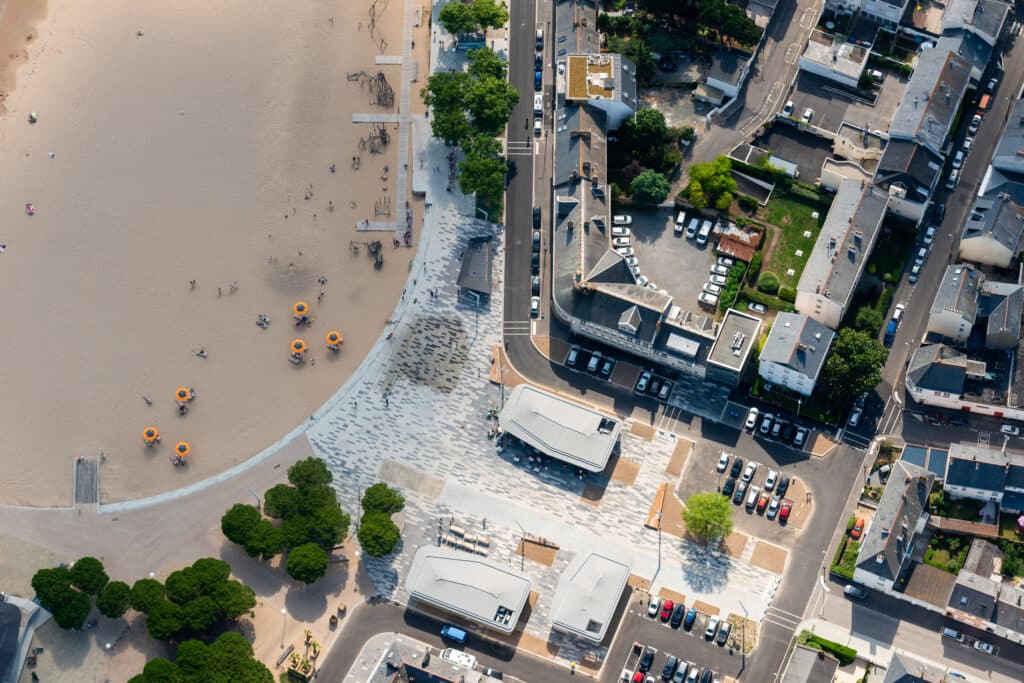
In Saint-Nazaire, the circular economy is a strategic priority. The ambition is to develop a local, circular supply chain, particularly in reuse and recycling of construction materials. The programme includes pilot construction sites using discarded materials to inspire broader industry adoption. These initiatives reflect the city’s drive to combine economic development with sustainability by enhancing local resources.
Key sub-sectors:

Carbon composite materials
Carbon composite materials, essential in aeronautics for their lightness and strength, are gaining attention for their potential reuse. Thanks to large industrial players like Airbus and DAHER, these materials are widely available in the region. Concrete projects include Armel Tripon’s Vendée Globe 2024 IMOCA, built using reclaimed carbon, and DAHER’s certified aircraft components made from production scraps. The 2023 Composites Meetings event bolstered this momentum, along with Nantes University’s “Ouverture” project, which explores open innovation in carbon reuse.
Sustainable fashion
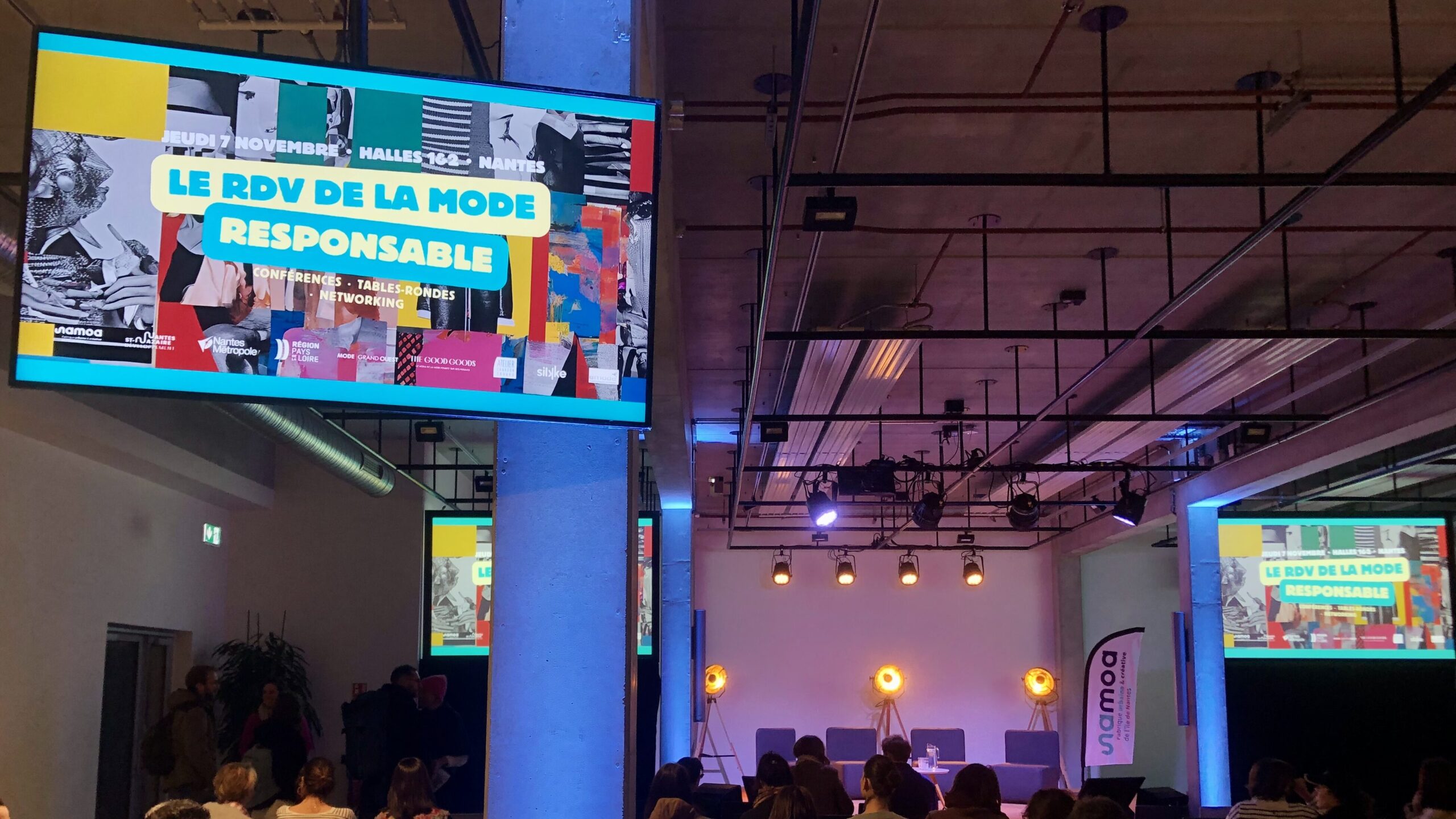
In Nantes, the sustainable fashion sector is emerging as a key player in transitioning to a more responsible industry. In 2023, Nantes Saint-Nazaire Développement and SAMOA, supported by Nantes Métropole, launched a collaborative initiative involving designers, startups, local brands (including Faguo and Groupe Eram), and manufacturers. Concrete actions, such as Fashion Green Days 2023 and the Mode Responsable Evolution support programme led by SAMOA, are structuring this ecosystem. Notable examples of reuse in fashion include Hedj and La Virgule, which upcycle end-of-life materials into functional, sustainable products.
Construction and building materials
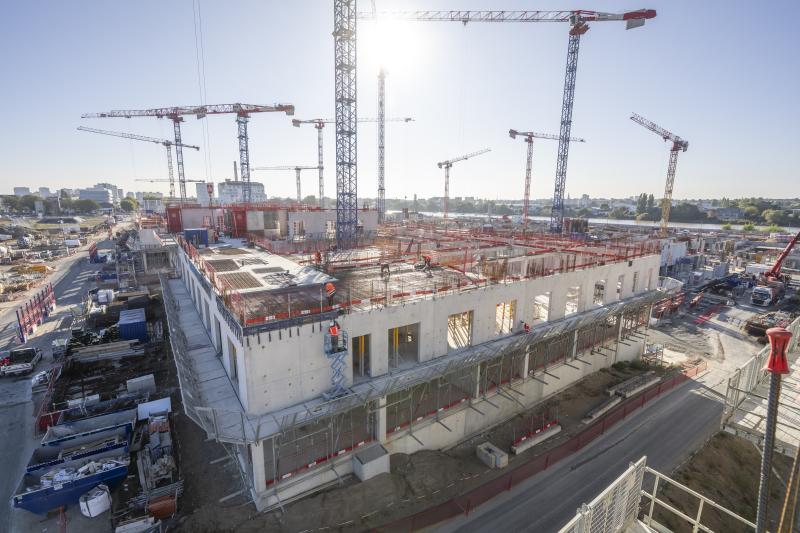
Decarbonising buildings is crucial in the fight against climate change, as the construction sector is the second largest emitter of CO₂ and generates 20% of construction waste. In Nantes Métropole, a highly dynamic urban development region, there is significant potential for material reuse. The low-carbon sector is gaining momentum, with growing demand for storage, requalification, and recycling spaces.
Driven by Icam and its partners, the 3R platform aims to scale up these practices and build a coherent circular economy at the regional level. The association Novabuild brings together industry professionals around eco-construction, and companies like Articonnex in Nantes give construction materials a second life instead of landfill. In Saint-Nazaire, reusing construction materials is also a strategic priority, as evidenced by numerous pilot projects underway.
Digital sector
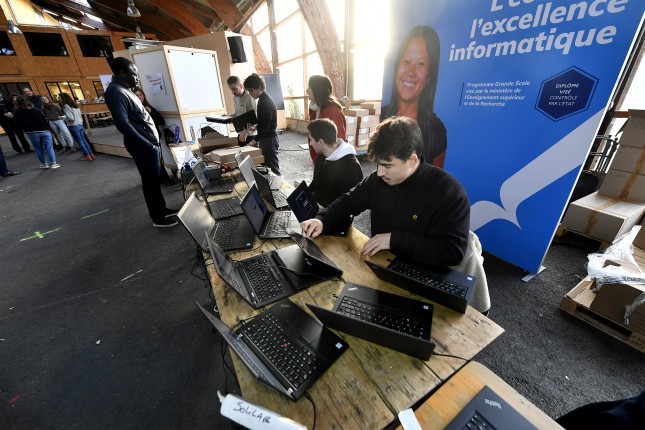
With 2% of global greenhouse gas emissions, the digital sector’s circularity is a growing priority. Since 2021, the 4R roadmap (Reduce, Repair, Reuse, Recycle) has structured this ambition through about 20 actions, co-designed with local stakeholders. For example, Nantes Métropole’s digital equipment collection recovered 5 tonnes of hardware in 2022. A hub for tech companies, Nantes also hosts businesses committed to reconditioning digital devices, such as Largo, France’s leading smartphone refurbisher.