Wind for Goods: the challenge of large-scale deployment for the sail transport sector
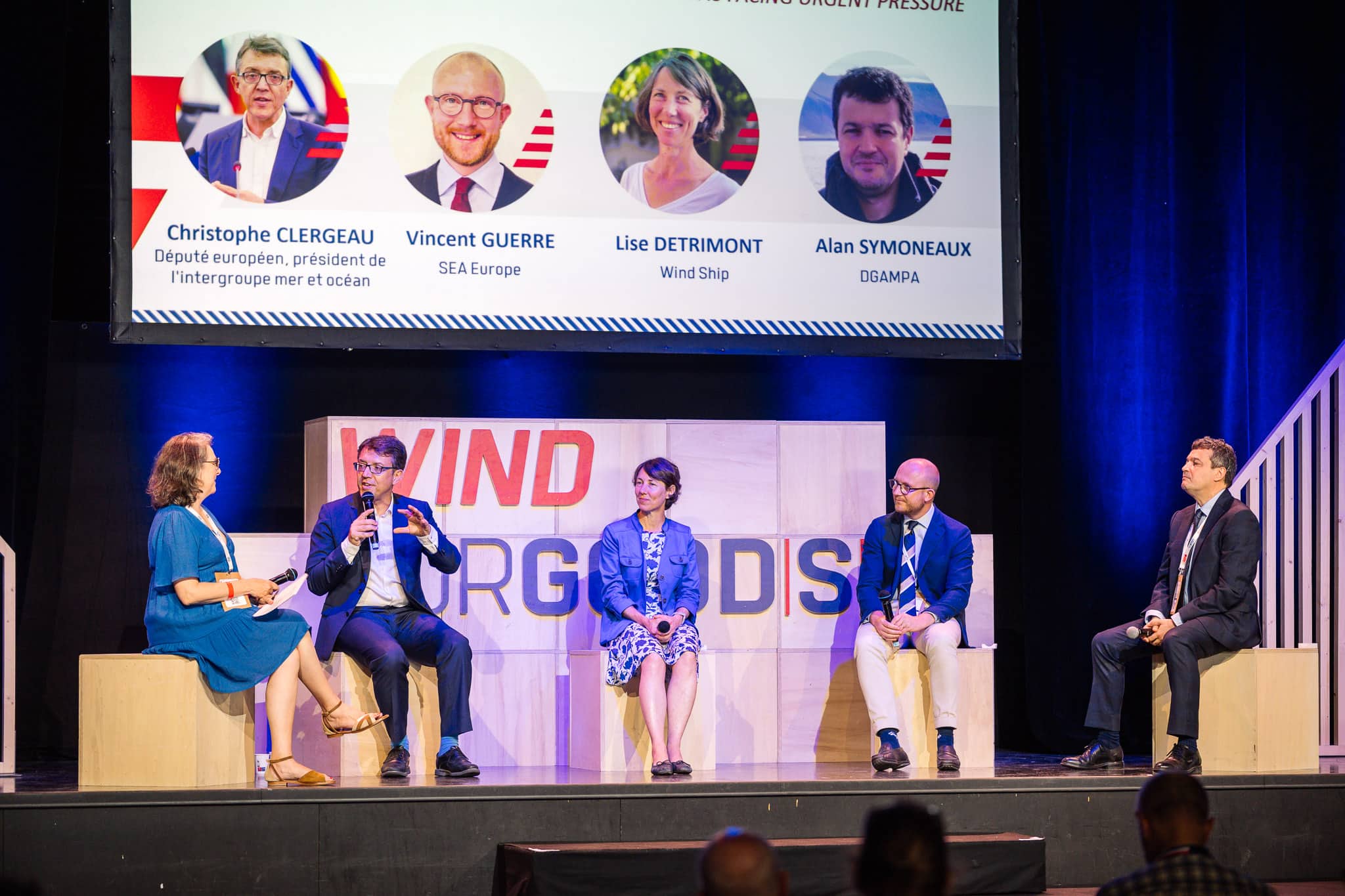
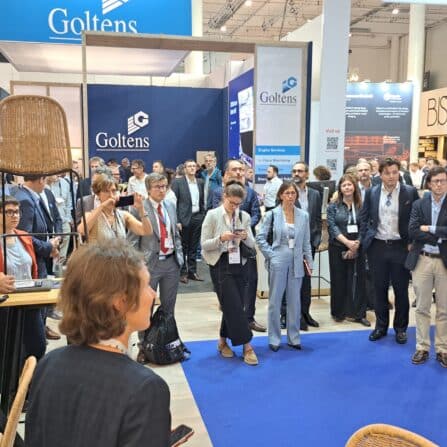
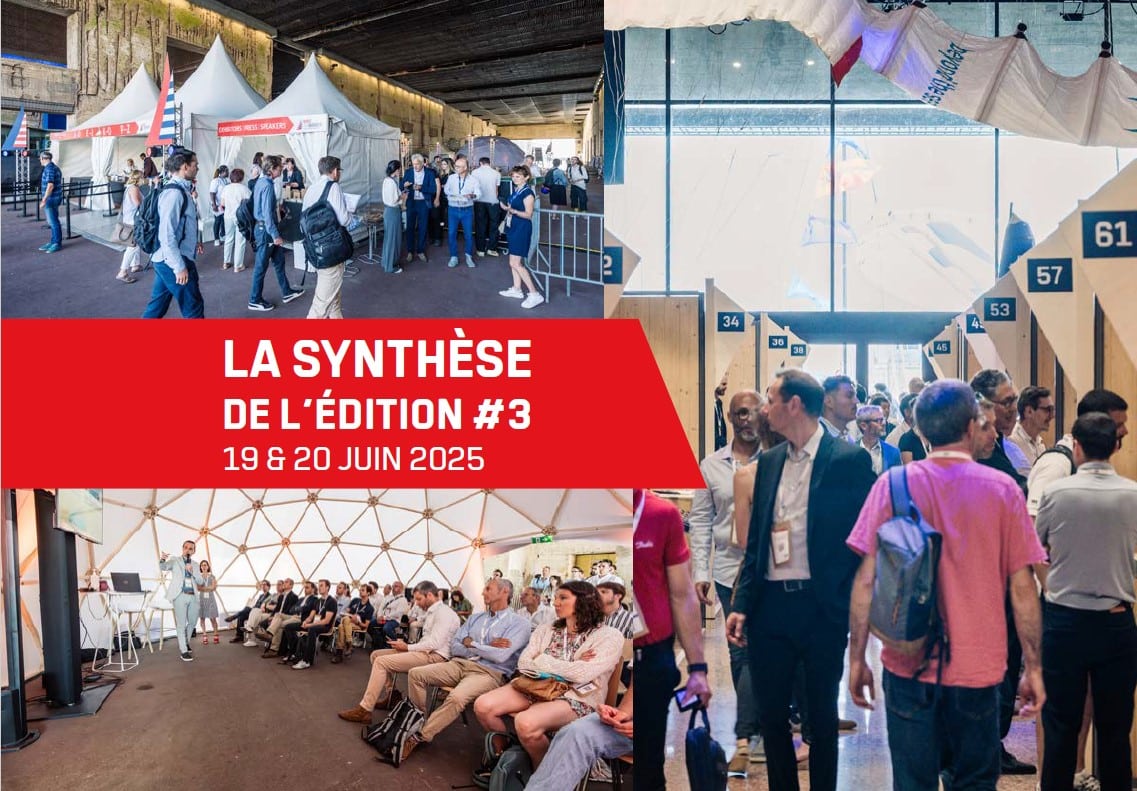
Organized by the Nantes Saint-Nazaire Développement agency, this third edition of Wind for Goods once again provided an opportunity for stakeholders in the sail transport sector to come together, discuss the latest innovations in the industry, and demonstrate the effectiveness of this technology.
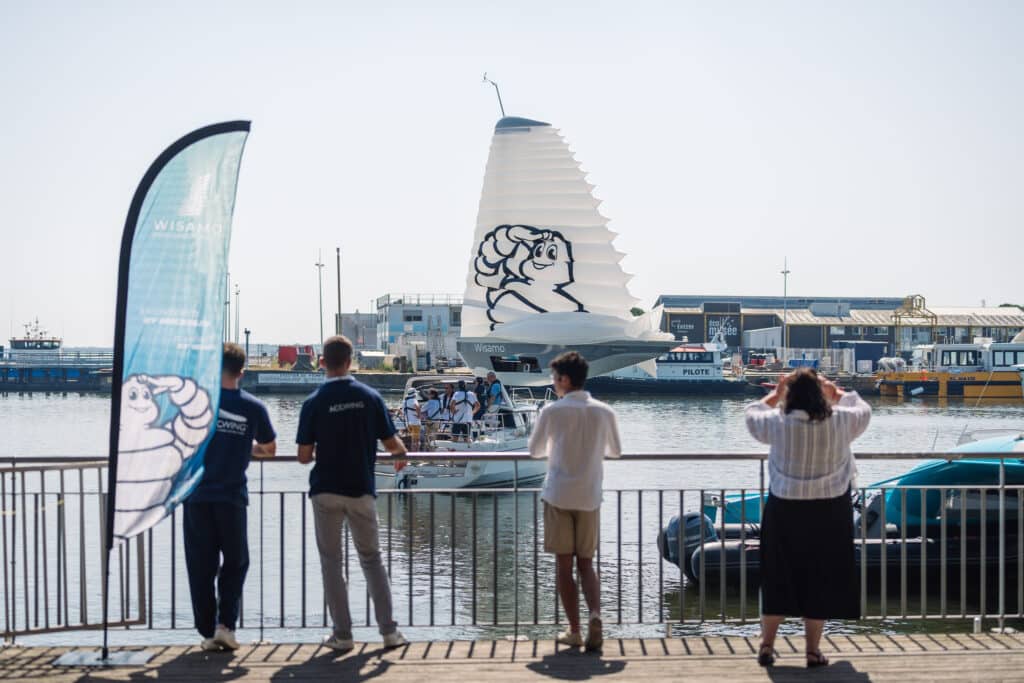
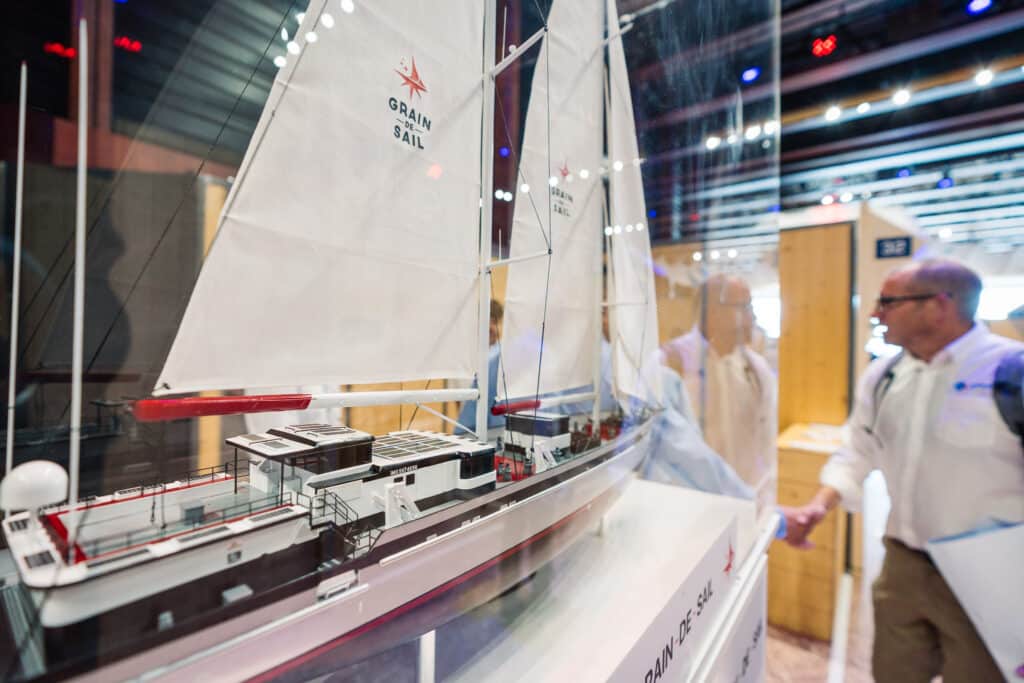
Among the 80 companies present, Nantes-based Neoline is preparing to launch its first sailing cargo ship in Nantes this September—a 136-meter roll-on/roll-off vessel that will operate a regular service between France and North America. Since 2024, Grain de Sail has been operating regular transatlantic routes with its second sailing cargo ship and will launch the Grain de Sail 3, a 110-meter transcontainer, in 2027. For the past two years, the Canopée de Zéphyr & Borée has been transporting the Ariane 6 launch vehicle from Europe to French Guiana. The shipping company Windcoop has just begun construction on its first cargo ship. And the shipping line TOWT has been operating two cargo sailboats since 2024, a fleet that has been expanded to include six additional vessels since 2026.
Environmental Responsibility
The industry is at a pivotal moment, and this edition of the “Wind for Goods” event highlighted the many challenges that still need to be addressed in order to scale up. “We have a special responsibility to demonstrate the technology’s promise—especially since these projects are generally more expensive at the outset,” says Jean Zanuttini, founder of Neoline. He continues: “If we can, in the near future, indisputably demonstrate the resulting reductions in environmental impact, this will open up great opportunities for the entire sector.” This scaling up should help streamline transportation operations. “Ship capacities are increasing, and transit times are getting shorter,” says Olivier Barreau, president of Grain de Sail, whose “new vessel, Grain de Sail III, will help lower costs and align with global maritime transport standards, all while being disruptive.”
There is still a need to convince people of the merits of sail transport
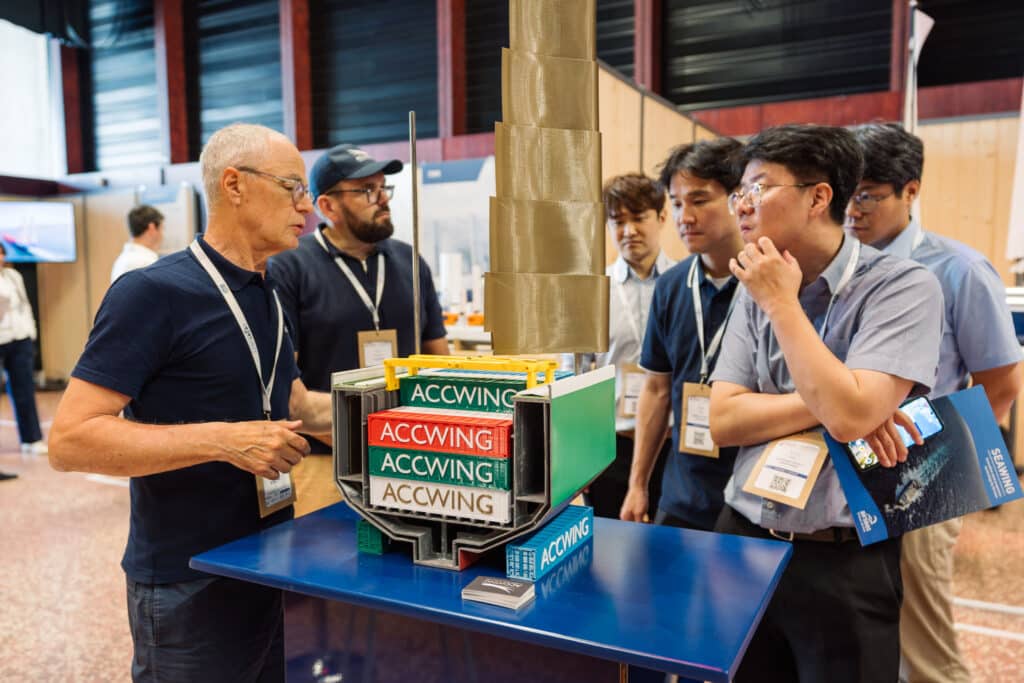
“Not all shipowners are convinced yet, but I’m confident that within 10 years, the majority of commercial ships under construction will be designed with at least one sail-assisted system,” says Nils Joyeux, president and co-founder of Zéphyr&Borée. For Olivier Barreau, “the challenge now is to get shippers on board—without them, nothing happens. It’s the market that enables the emergence of new routes and new ships.”
Performance: A Criterion Worth Emphasizing
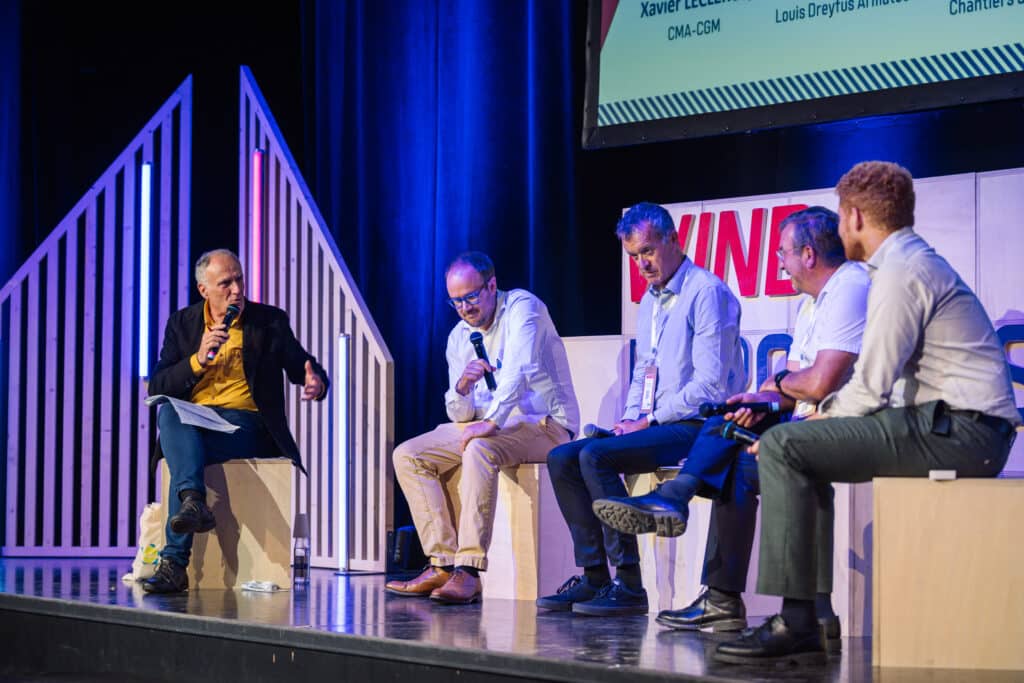
To continue to win people over, performance data is essential. But right now, “everyone’s doing their own thing,” laments Nils Joyeux. The most effective approach would be to highlight the savings achieved compared to what’s currently available on the market. Jean Zanuttini agrees that the topic is difficult to present and believes that the benefits of wind propulsion cannot be reduced to a single metric “because the issue at stake is planetary boundaries, not just CO2.”
The Hope Sparked by the New Regulations
More than 90% of cargo ships currently run on fossil fuels, and maritime transport accounts for 3% of global greenhouse gas emissions. The International Maritime Organization’s (IMO) recent decision to mandate net-zero emissions by 2050 has been welcomed as a strong signal by the sail transport industry. “We must continue to encourage and support regulatory efforts. At the same time, it’s up to us to show that realistic alternatives can meet these regulatory goals. Today, shipowners are forced to pay attention to what we’re doing,” says Jean Zanuttini.
The wind power bill, introduced on June 4 in the National Assembly, is eagerly awaited by stakeholders in the wind power sector. “The wind power law we’ve been calling for for years must be much more than a symbol. It must say: Yes, France is choosing wind power. It must be a decisive tool for the climate and for the future,” says Diana Mesa, co-founder of TOWT. She concludes: “Every metric ton transported without fuel is a victory. Every meter of sail hoisted is a little bit of the future regained.”

Benefits for Humans
Beyond CO2 emissions, sail-powered vessels also offer other benefits: reduced risk of collisions due to lower speeds, reduced risk of accidental marine pollution, reduced underwater noise, and more. It is also the social aspect that wind-powered shipping advocates are promoting—and which is beginning to win over customers. Windcoop limits the duration of employment to three months and applies equal conditions to all employees, regardless of their nationality—a far cry from social dumping practices. As Nils Joyeux points out, “It’s interesting to note that shippers are also drawn to this aspect.”
Want to set up your wind-powered shipping business in Nantes or Saint-Nazaire?