
Our expert
Let us discuss your project
How can we produce better, cleaner, and more collaboratively while balancing social, societal, and environmental challenges? As a flagship industrial region, Nantes and Saint-Nazaire are positioning themselves as key players in the transition of industry towards decarbonised energy in France. The area is also at the forefront of numerous other innovative and ambitious initiatives aimed at reducing CO₂ emissions in industry.
Collaborating to innovate
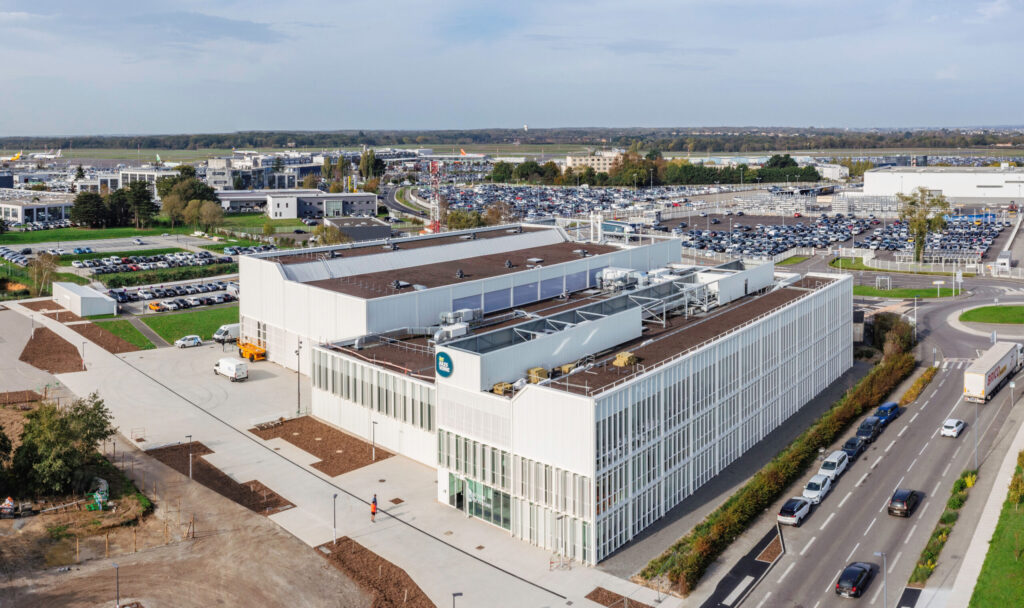
In Nantes, centres of excellence and top-tier educational programs confirm the strategic position of the region for a greener, more sustainable industry. The Jules Verne Institute for Technological Research (IRT) with its Nautilus building, CEA Tech, CETIM, and others represent a new generation of R&D centres focusing on decarbonised aviation, hydrogen and electricity storage. The Nautilus is a collaborative and open workspace, located at the heart of the manufacturing campus in the southwest of Nantes Métropole, near Nantes Atlantique Airport, the Airbus Atlantic Nantes plant, the Composites & Ocean Technocampus, DAHER, and the Jules Verne Manufacturing Academy.
Tomorrow, hydrogen will power larger vehicles like ships and planes. In fact, the research centre designing the aircraft of the future is based in Nantes. Nowhere else in Europe could we have built this roadmap—starting on land, then moving to sea.
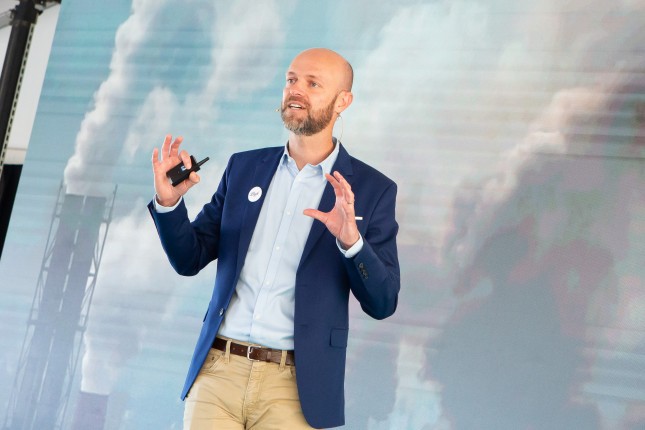
Lhyfe
Since 2020, 80 large corporations, SMEs, micro-enterprises, academic institutions, networks, and local authorities have committed, through the Manifesto for Eco-Responsible Industry, to integrating eco-responsible practices within their companies, “putting people at the heart of their concerns, fostering innovative, collaborative, and supportive industry,” according to the manifesto launched by EMC2 Cluster.
Key figures
-50%
CO₂ emissions targeted by 2050
1st
industrial hub in France
85 000
industrial jobs in Loire-Atlantique
4 500
industrial companies
1st
largest industrial region in terms of employment in France
Loire Estuaire decarbonisation: The first decarbonised hub on the Atlantic coast
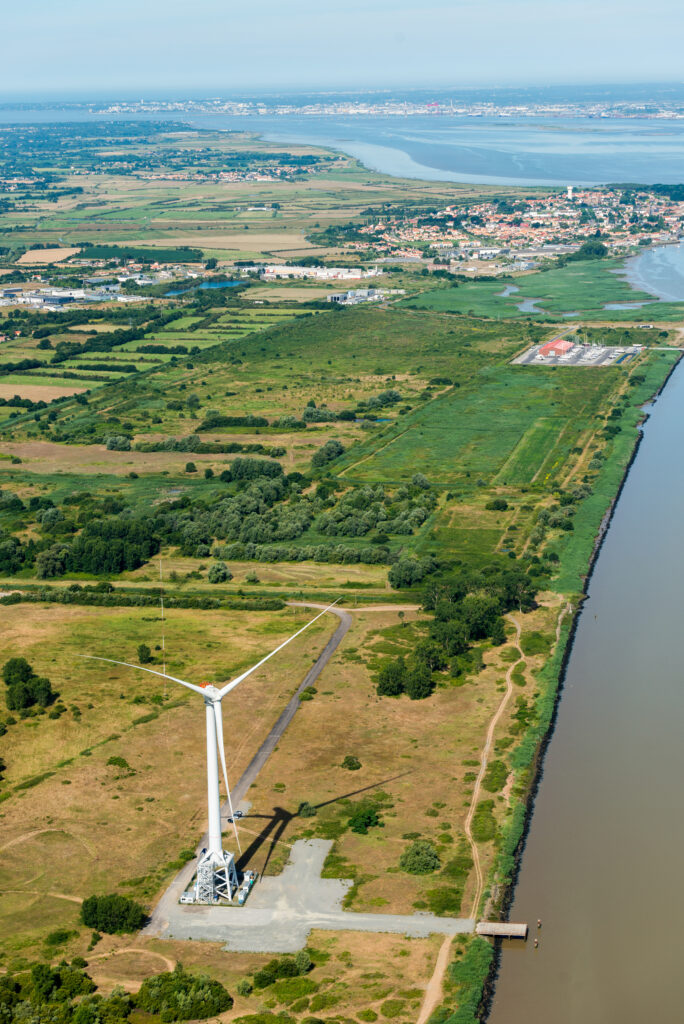
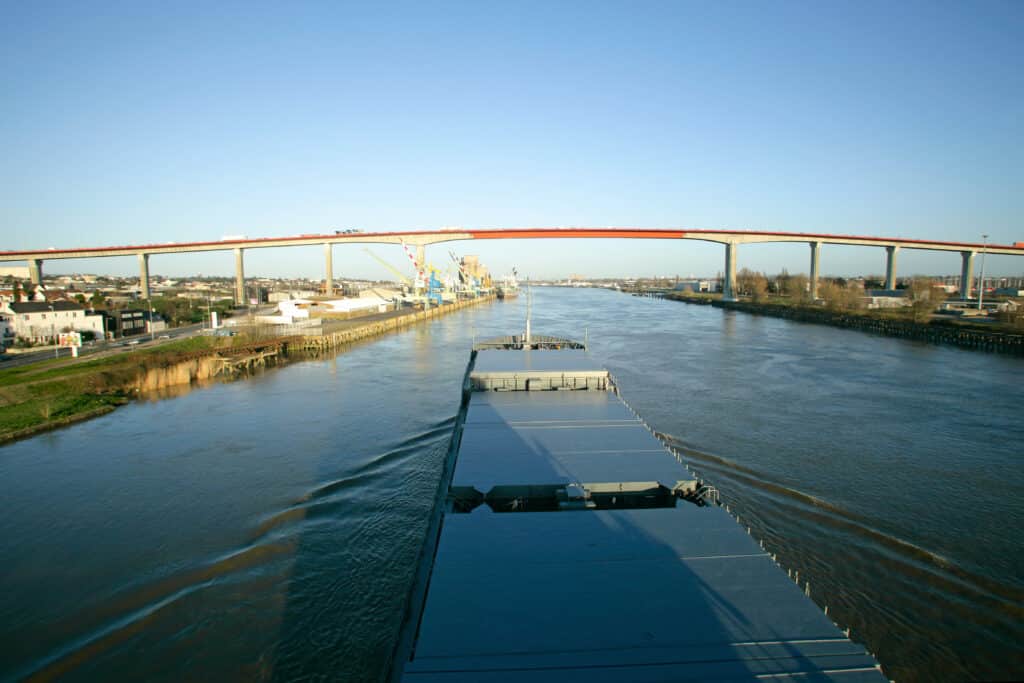
Driven by a coalition of industrial and public stakeholders, the Loire Estuary Decarbonisation initiative aims to achieve the ecological, energy, and economic transition of the region to reach carbon neutrality by 2050. Winner of the Low Carbon Industrial Zones (ZIBaC) call for projects by ADEME and France 2030, Loire Estuaire Decarbonisation is based on around twenty projects with the goal of accelerating the transformation of this industrial-port area, home to 28,500 jobs. The territory’s transformation revolves around four major pillars, with a positive impact extending beyond the zone’s boundaries:
- Climate change resilience
- Decarbonised energy hub
- Industrial ecology
- Local economic development
Industry territories
Throughout the region, the Industry Territories labelling supports this momentum by backing innovative projects.
- Nantes Métropole and the Community of Communes of Erdre and Gesvres have been awarded the “Territoire d’Industrie” label for 2024-2027. > Discover the labelled projects in Nantes Métropole.
- The Saint-Nazaire agglomeration and Estuaire & Sillon have renewed their “Territoires d’Industrie” label for 2024-2027, after first receiving it in 2019. > Discover the labelled projects in Saint-Nazaire.
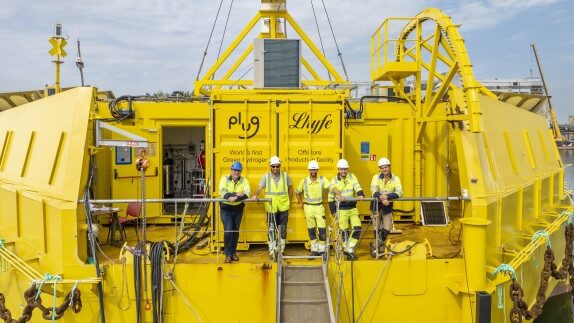
One of the flagship projects is the Hydrogen Call for Expressions of Interest (AMI) launched by the Grand Port Maritime de Nantes Saint-Nazaire and won by Lhyfe, a company founded in Nantes that produces green hydrogen.
A talent pool
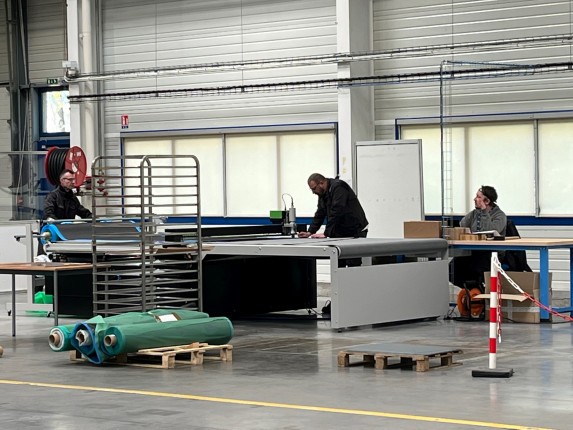
In addition to the advanced skills at Centrale Nantes and ICAM, Nantes and Saint-Nazaire are committed to training professionals in industrial decarbonisation through a dynamic ecosystem combining businesses, educational institutions, and public bodies. The opening in 2022 of the École de Production Industrielle (EPF), supported by the Saint-Nazaire agglomeration and backed by major players such as Airbus and the Total Foundation, illustrates this commitment. This school was created to tackle recruitment challenges by training talent specifically for the sector’s needs. At the same time, the UIMM plays a key role in helping companies adopt more sustainable industrial practices, contributing to the region’s energy transition and carbon footprint reduction.
HyMEET project
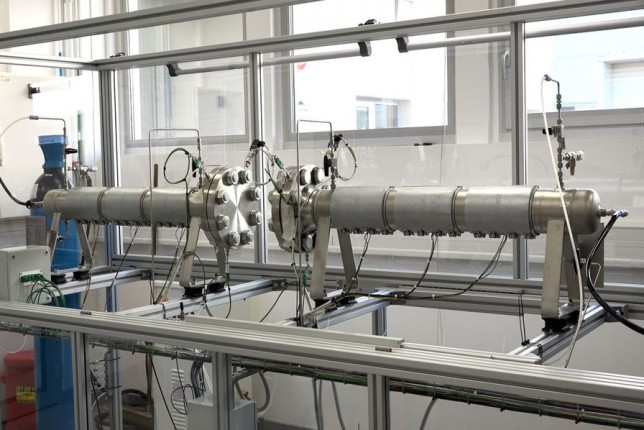
Led by CETIM in Nantes (Materials Engineering and Testing Centre), the HyMEET project (Hydrogen Material and Equipment Engineering and Testing Center) will mobilise significant funds amounting to €25 million over 4 years. The goal is to support the production, distribution, and use of hydrogen across multiple applications, adapting gas and liquid hydrogen storage technologies in pipelines, tanks, compressors, pumps, valves, reservoirs of all sizes, materials, and environments.
Key sectors:
Green hydrogen
Nantes and Saint-Nazaire are becoming strategic hubs for the green hydrogen sector, supporting energy transition and industrial decarbonisation. With state-of-the-art infrastructure, advanced research labs, and innovative companies like Lhyfe, the region is developing sustainable solutions for hydrogen production, storage, and use, strengthening its leadership in the green economy and renewable energies.
Marine renewable energies
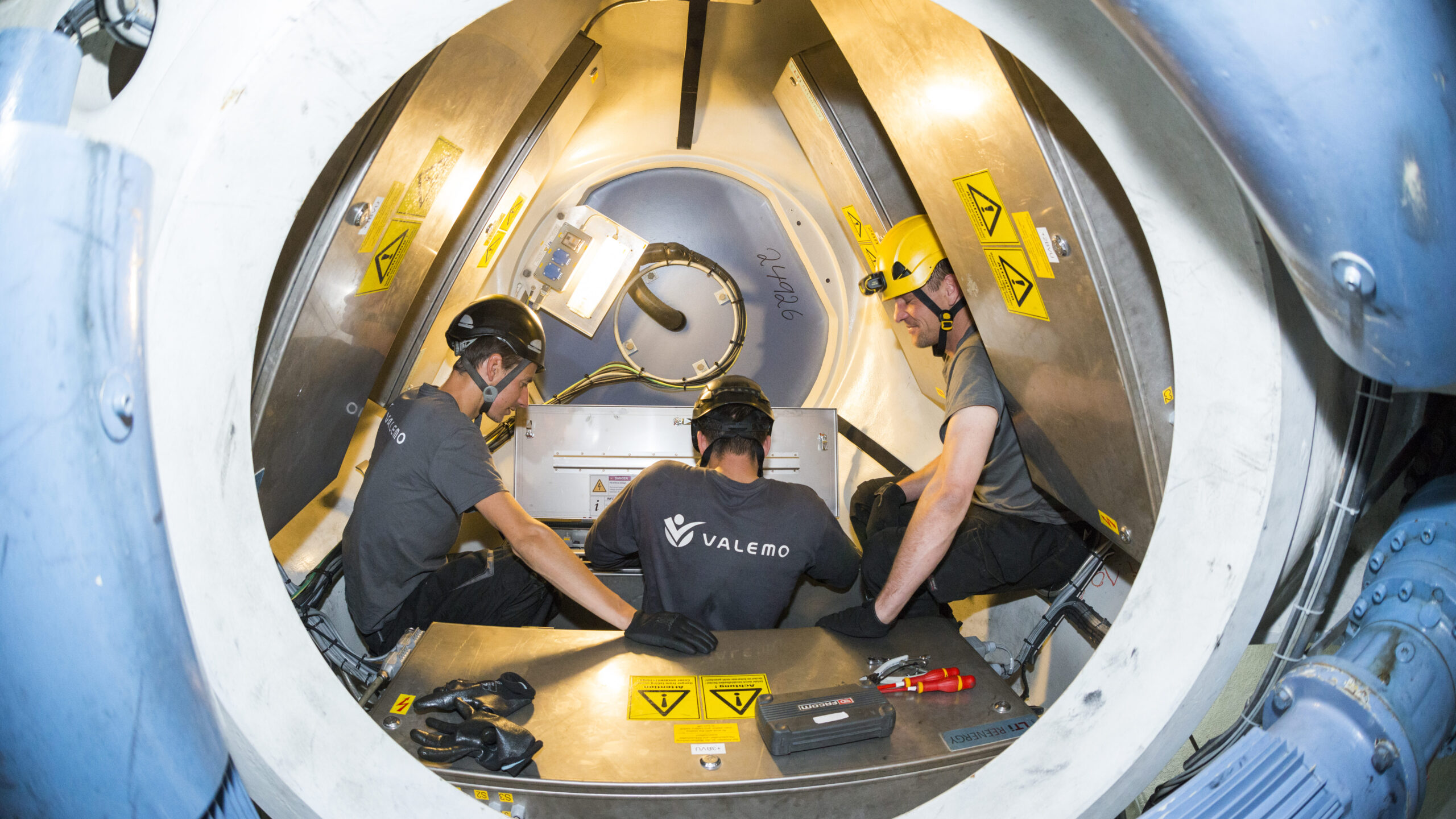
Since 2022, France’s first offshore wind farm has been operating off the coast of Saint-Nazaire and Pornichet. This has enabled the Nantes & Saint-Nazaire area to develop industrial units and cutting-edge R&D capabilities, supported by major, unique facilities in France, across all marine renewable energy (MRE) technologies.
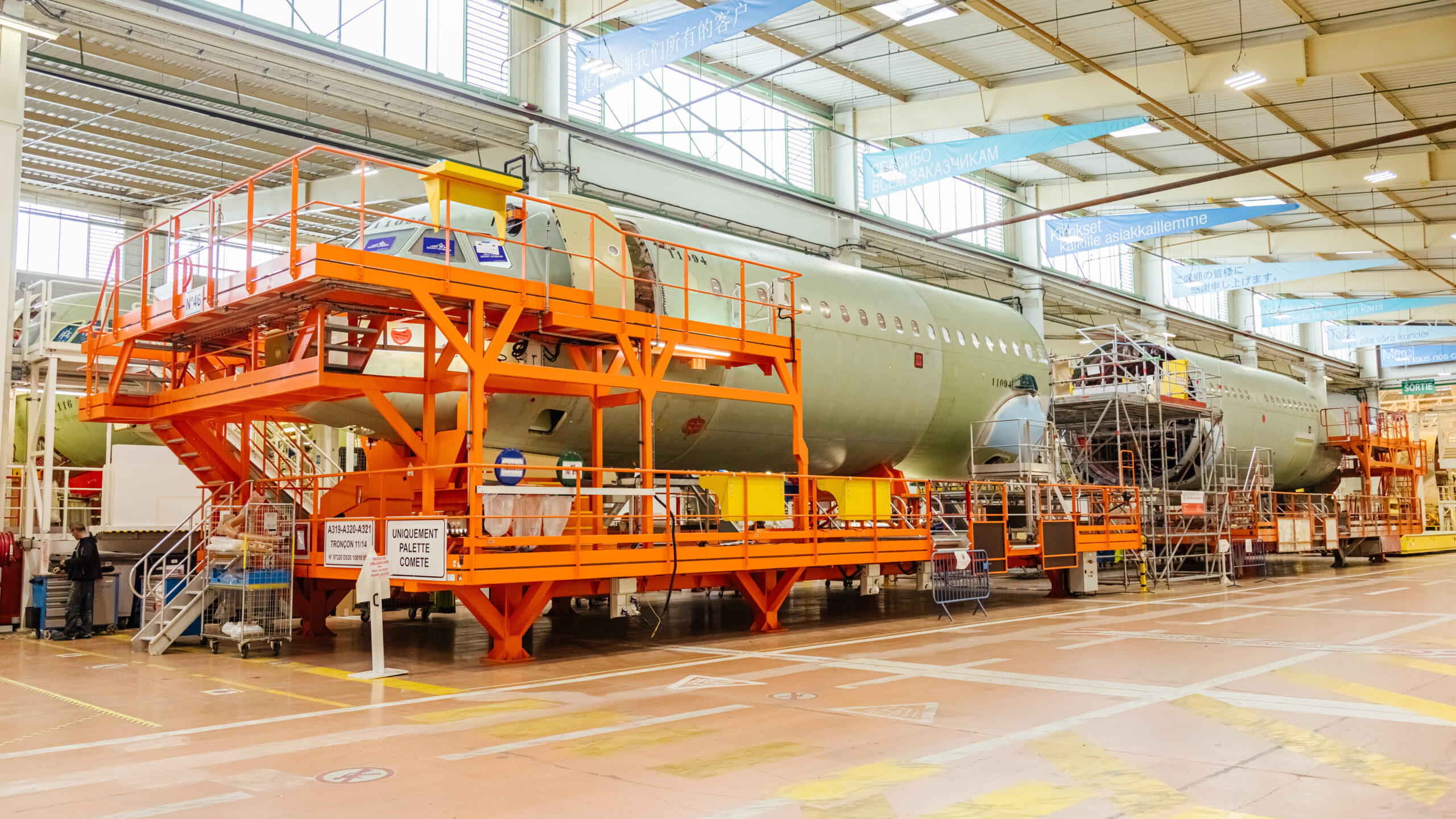
Aeronautics
Airbus leads the aerospace industry with 5,900 employees in its Nantes and Saint-Nazaire units, making it Airbus’s second largest hub in France. The company’s current momentum also benefits many subcontractors, in an ecosystem conducive to innovation and R&D.
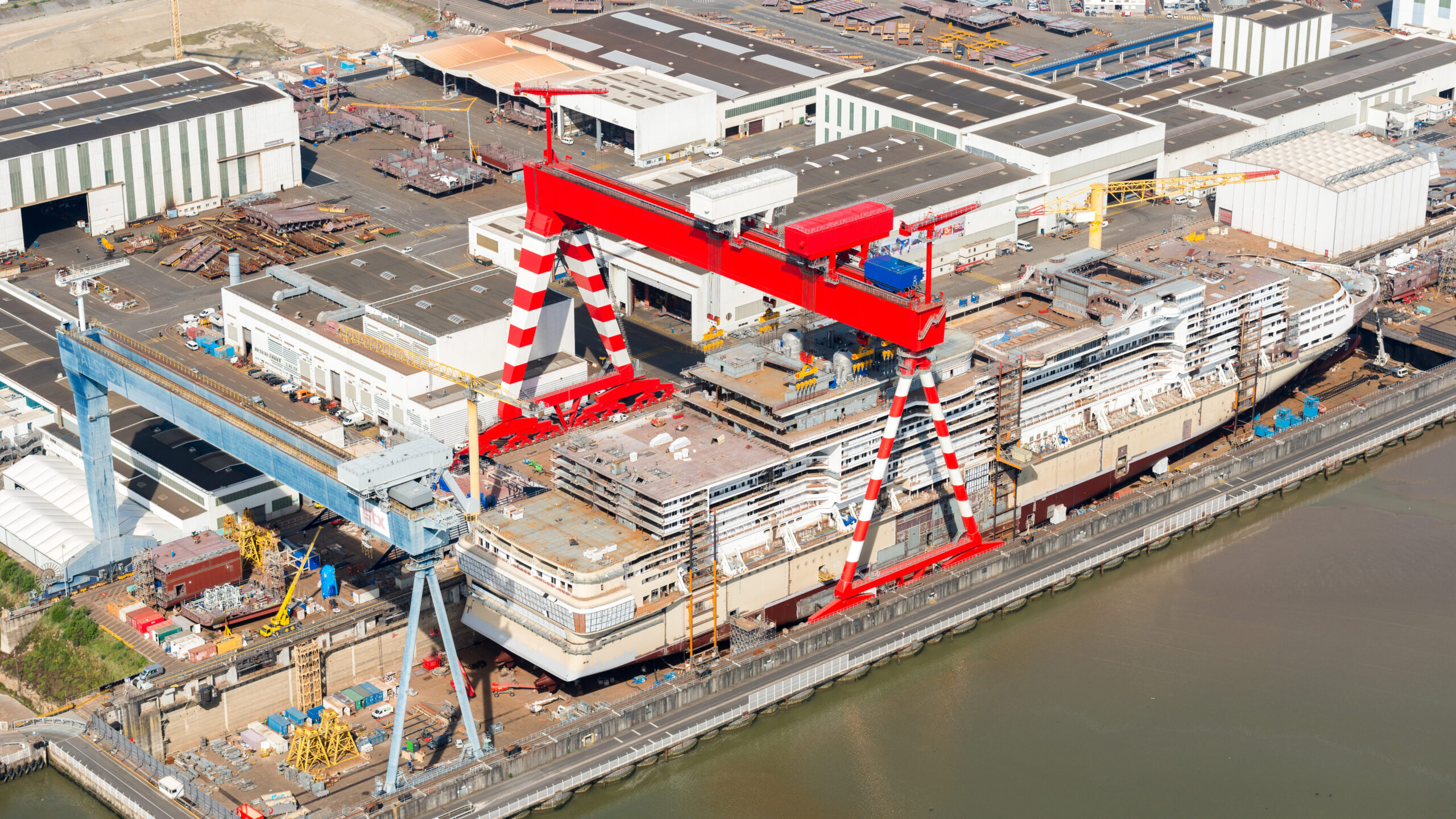
Shipbuilding
Nantes and Saint-Nazaire reaffirm their international leadership through the expertise of their shipbuilding sector, rooted in a rich commercial heritage. The region combines technological innovation, employment, and training to meet the highest industry standards and strengthen its position as a global reference.