Nantes Saint-Nazaire port: "We have a role to play in the collective effort"
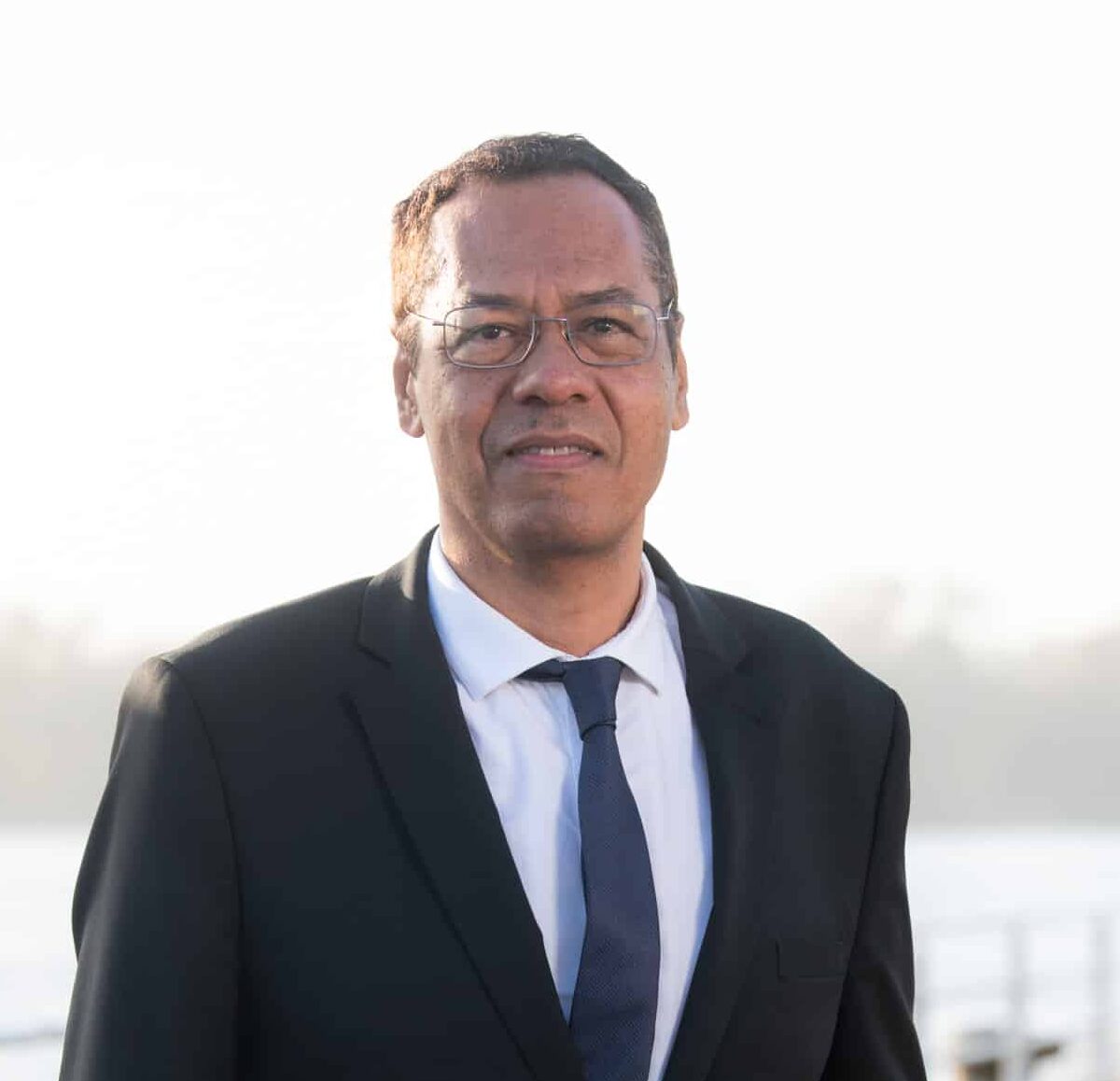
What role does Nantes Saint-Nazaire Port hope to play in the governance of this regional consortium?
As a port, we are accustomed to ensuring that people within our territory work with one another or for one another, fostering relationships among customers, suppliers, users, and stakeholders. Working with this ecosystem is one of the port’s primary missions, and it is an added value that we can bring by participating in the governance of the Nantes Saint-Nazaire Développement (NSD) agency.
Nantes Saint-Nazaire Développement works to enhance the region’s attractiveness, highlights its strengths, and fosters a collective dynamic. We have a role to play in this. We host more than 500 companies in the Nantes Saint-Nazaire port area, representing a total of 28,500 jobs. Collective intelligence and synergies among stakeholders fuel our daily work.
Through its operations, Nantes Saint-Nazaire Port is deeply committed to environmental transitions. How does it play a key role in the region’s transformation?
The industrial and port area is where all of the region’s environmental and societal challenges converge. This is also true in other regions and at other ports. But the Nantes-Saint-Nazaire area is experiencing these transitions even more acutely than elsewhere. In fact, 70% of our activity is linked to fossil fuels (oil, coal, and natural gas). The Montoir-de-Bretagne LNG terminal is one of the largest in Europe. And 10% of France’s primary energy passes through the Port of Nantes Saint-Nazaire. However, these energy sources will gradually evolve or even disappear over time.
The Port of Nantes Saint-Nazaire is also France’s leading port for animal feed imports. We play a very important role in French food security, as one out of every two chickens in France is fed with feed that passes through our port, as is one out of every two liters of oil.
What is the port’s action plan for environmental transition?
On the one hand, we will need to mitigate the decline in these fossil fuels and prepare for the emergence of new industries and new economies. This requires profound changes to our economic model and our way of thinking. We must reinvent ourselves—that much is clear. The goal of Nantes Saint-Nazaire Port’s 2021–2026 strategic plan is for the port to become the leading port for the energy and ecological transition. Today, this is a necessity, because the energy transition is already underway. And for us, it’s a matter of survival. In other words, our future depends on our ability to make this transition a success—simply by being at the forefront, by experimenting with new approaches at the port, and by fostering the emergence of new carbon-free energy models.
What are the port’s main strengths for implementing these transitions?
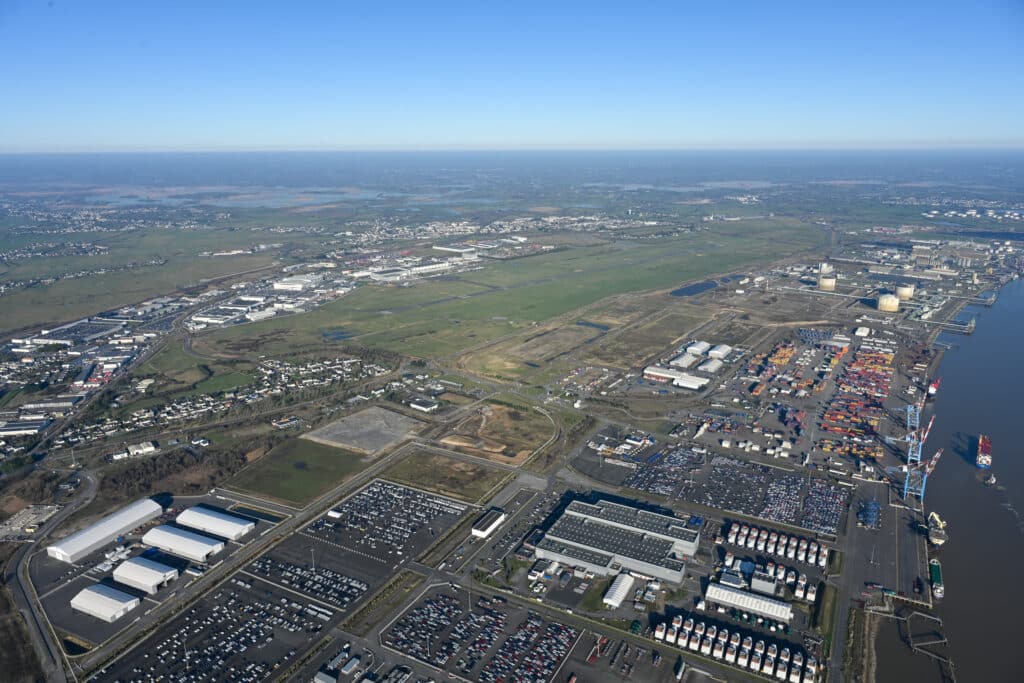
The port’s main asset is its land. Nantes Saint-Nazaire Port owns 2,700 hectares of land, comprising 1,545 hectares of industrial and logistics zones and 1,177 hectares of natural areas. Our strategy is based on how we will develop and utilize our land reserves, particularly by freeing up space to accommodate new facilities that contribute to decarbonization.
What projects exemplify this Decarbonization of Industry?
These include, in particular, all projects centered on the production of low-carbon hydrogen-based e-fuels. Examples include Take Kair, which produces synthetic kerosene in line with aviation decarbonization guidelines, and Lhyfe and Elyse, which produce e-methanol for maritime transport. Both produce kerosene and both capture carbon. Another example is the GoCO2 project, which serves as the backbone for biogenic carbon capture from major carbon emitters, such as cement plants. We are aligned with the French strategy, which aims to encourage these cement manufacturers to reduce their emissions on the one hand and capture residual carbon on the other, to contribute to the production—through the addition of hydrogen—of new fuels. In doing so, the port is helping to provide new technological building blocks.
The ZIBAC initiative—short for “low-carbon industrial zone”—facilitates collaboration so that all stakeholders in the ecosystem can work together to achieve the decarbonization of Industry. If one entity generates heat, another can recover it… One produces waste, and another processes it, and so on. Loire Estuaire Décarbonation brings together about twenty project profiles and facilitates industrial ecology projects within the industrial-port ecosystem.
If there are companies in the region that are needed to complete or improve this value chain, we will work with the Nantes Saint-Nazaire Développement agency to attract them.
And are you looking for companies that could take part in this decarbonization effort?
If there are companies in the region needed to complete or improve this value chain, we will work with the Nantes Saint-Nazaire Développement agency to find them. Together, we will seek out new entrants who will be able to collaborate with existing stakeholders.
To successfully achieve this decarbonization, do we also need to experiment?
Indeed, there must be room for experimentation. The presence of DENV-R and its floating data center in the port is a prime example. It makes sense for ports to host data centers because they have water, space, and energy. Or take Enerdigit, for example, with its work on optimizing energy flows and stabilizing the grid. And ports are major energy consumers. So having areas for energy storage and smart redistribution is a valuable proposition. Soon, we’ll be hosting one of the largest energy storage facilities with Harmony Energy.
We’re very proud to host these kinds of activities, which we hope will continue to grow. Ports are increasingly becoming hubs for managing and optimizing energy and data flows—not just cargo.
The transition is also a societal one…
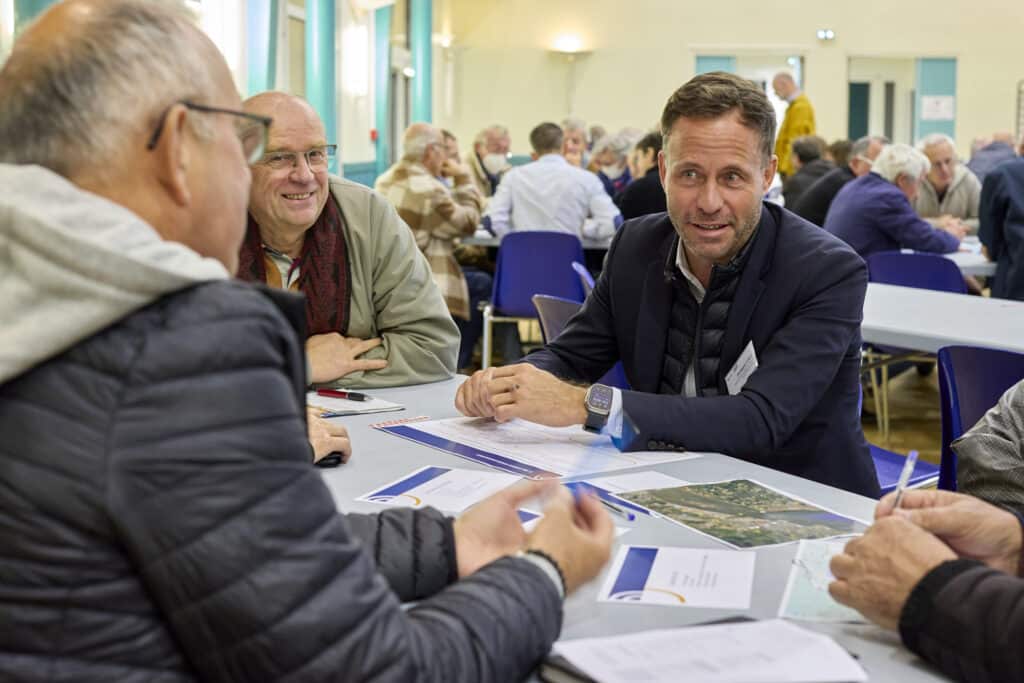
In fact, ports are accustomed to working with what are known as stakeholders—that is, people or entities who have a say in developments and the decisions that are made. This is absolutely necessary given the scale of the transition. The changes are so profound that we cannot afford to skip discussing and working with our stakeholders, including the public. We are engaging more and more with citizens who voice their opinions—either as individuals or on behalf of groups and organizations—through a very enriching dialogue with the public. One example is the Eole project in Saint-Nazaire.
You’re attending MIPIM with Nantes Métropole and NSD. What are your expectations for this trip to the international real estate trade show in Cannes?
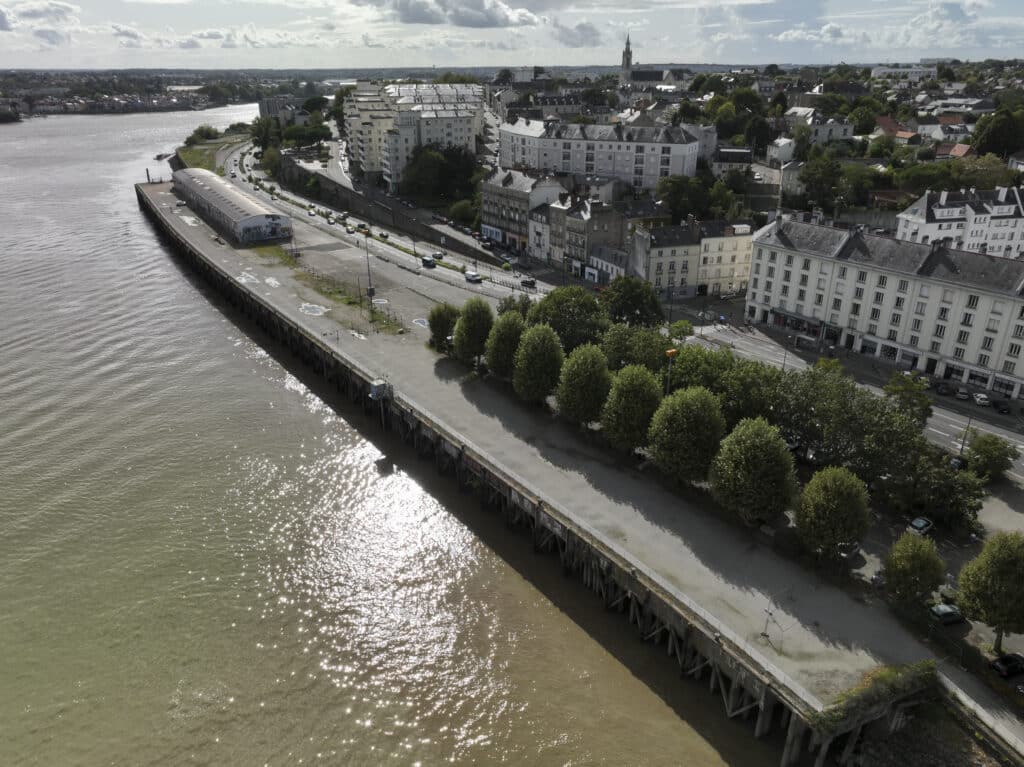
We are attending the MIPIM real estate trade show at the invitation of Nantes Métropole and NSD to support this collective effort. The redevelopment of the port area in the city center is a strategic priority for the port. In particular, we will play our part in the transformation of the promenade leading from downtown to the Cité des Imaginaires by proposing a project on the Quai d’Aiguillon.
> Learn more about Nantes Saint-Nazaire Port