Sea4Earth aims to bring French seaweed to our plates
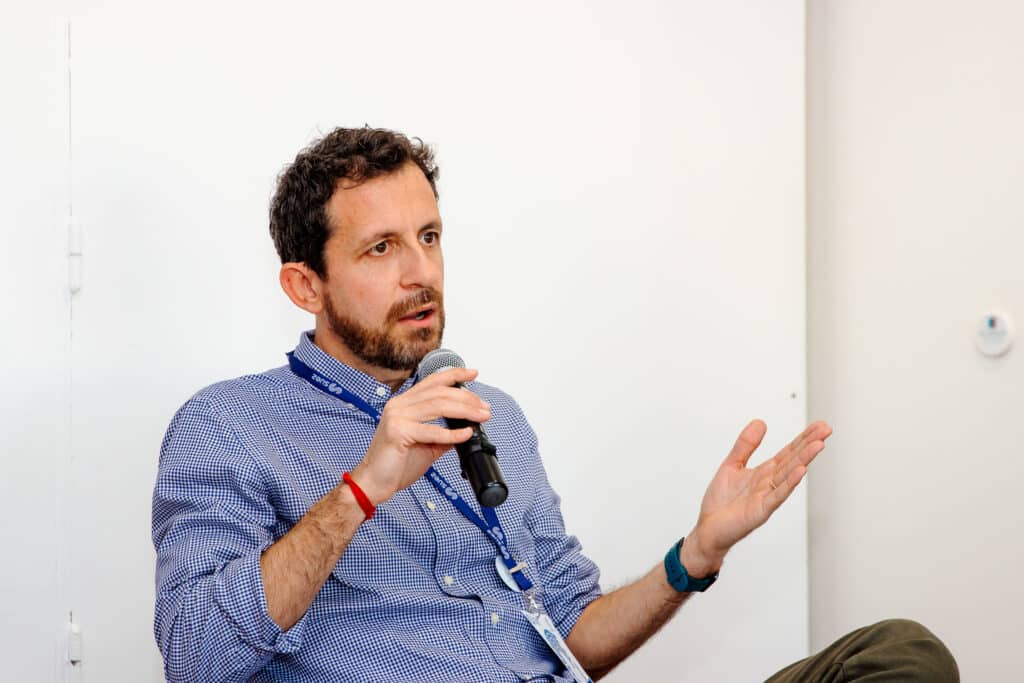
When Nicolas Durand gave a tour of the Atlantic coast to South Korean officials, they were stunned by the sight of seaweed covering the rocks. “The fact that we leave this resource unexploited is beyond their understanding,” says the co-founder and president of Sea4Earth. While Asia, especially Korea, is a major exporter of nori (the seaweed used in sushi), the cultivation of edible seaweed in Europe accounts for just 0.1% of global production. “Seaweed producers struggle to find markets due to a lack of suitable industrial infrastructure,” explains Durand, an agricultural engineer by training. “And production volumes are too low to attract major food companies.” Sea4Earth intends to change this by simultaneously developing large-scale seaweed production and its industrial processing.
Equipping our coasts with seaweed farms
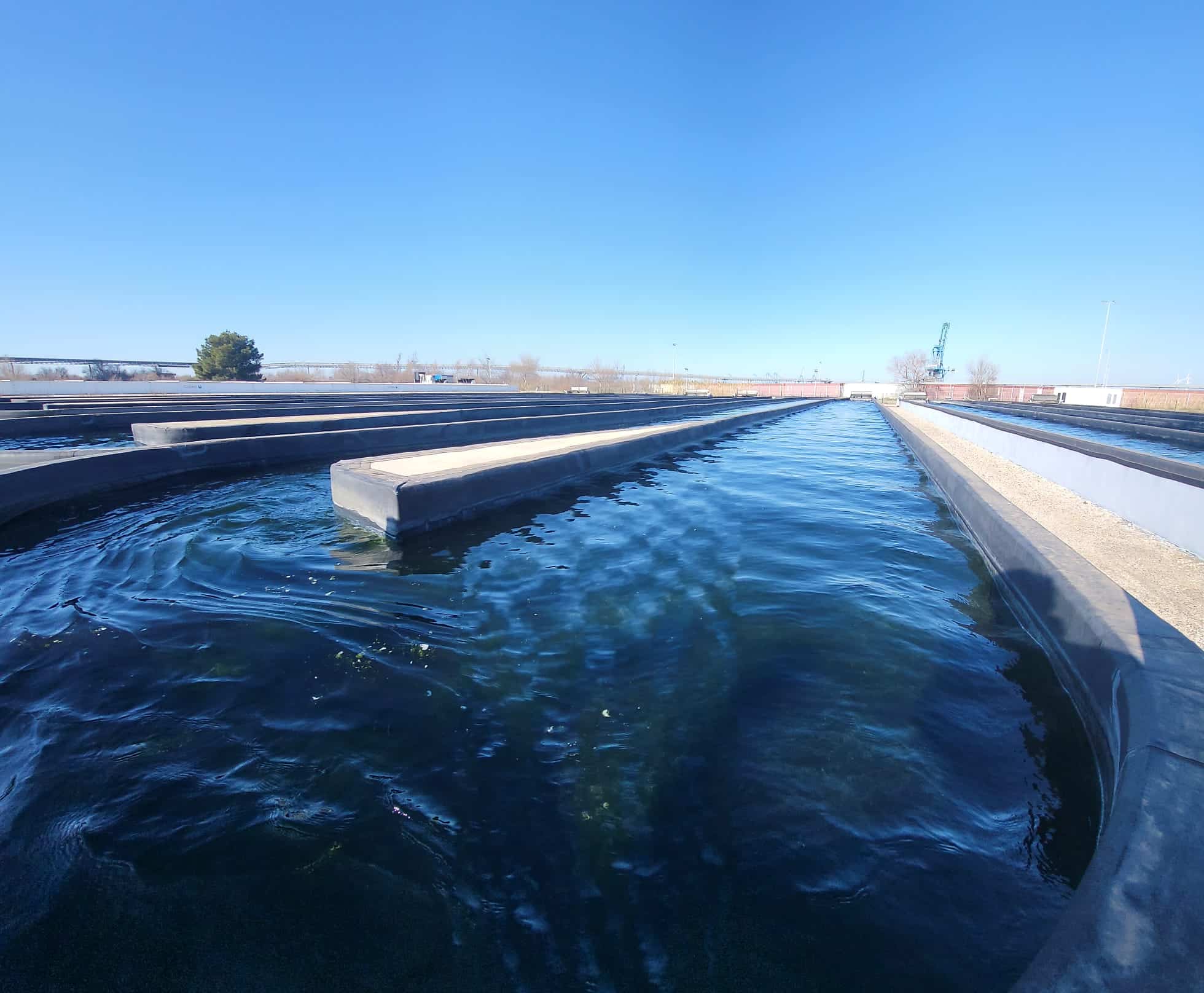
The cornerstone of the project is a “4.0” land-based macroalgae farm concept. “These are connected farms designed to combine optimal yield with low energy consumption.” Depending on the setup, the farms could include an on-site processing area. A prototype is currently being tested with CEA Tech in Cadarache, with plans to deploy it along both the Mediterranean and Atlantic coasts.
Potential in shellfish farming areas
Shellfish farming zones offer a unique opportunity, especially regarding the utilization of seaweed growing on oyster farms. “Today, seaweed that covers oyster bags is considered more of a nuisance than a resource. We propose seeding oyster bags with edible seaweed, which would not only create a new harvestable product but also provide shellfish farmers with an additional source of income through a new activity.” Initial successful tests have already been conducted in Charente-Maritime, with support from CAPENA (Aquaculture, Fisheries and Environment Center of Nouvelle-Aquitaine), the regional shellfish committee CRC17, Fermes du Soleil, and a few pioneering oyster farmers.

Industrial resources supporting sustainable food
Sea4Earth’s farm model could produce 900 tonnes of seaweed per hectare, or 90 tonnes of dried product, “a yield far higher than cereal farming, with significantly lower water consumption,” emphasizes Nicolas Durand. “Seaweed is a superfood—extremely nutritious with minimal environmental impact. At a time when shifting to more plant-based diets is urgent, it offers a truly sustainable alternative.”
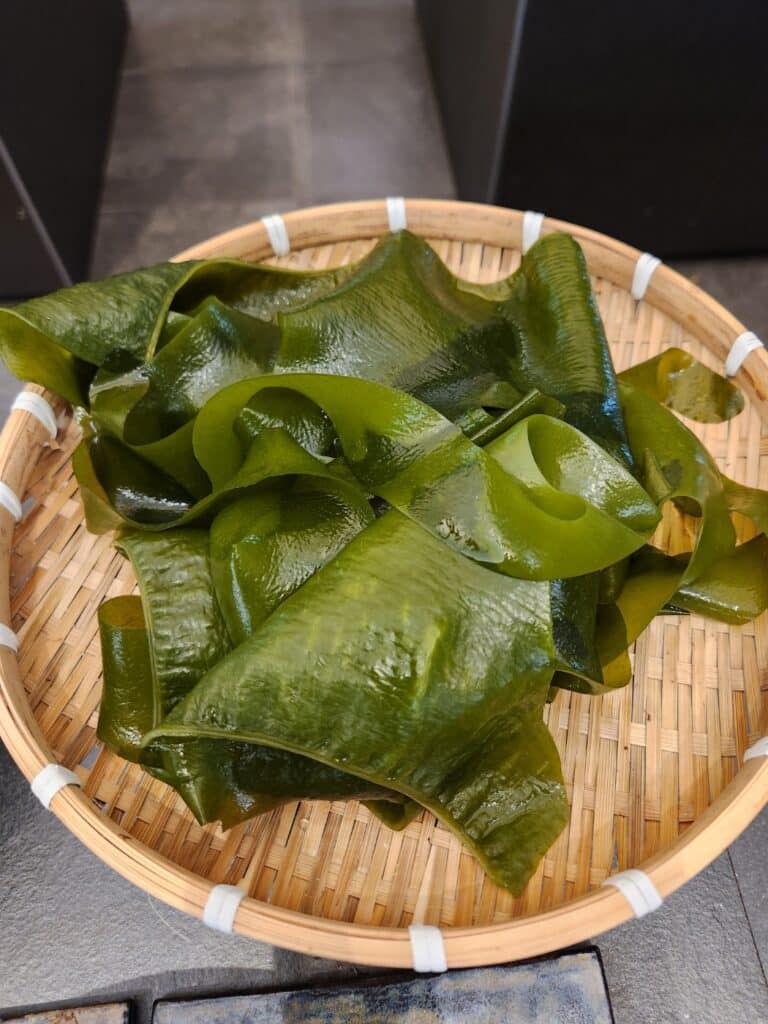
Sea4Earth’s project focuses on producing both sushi sheets and incorporating seaweed into common food products. The company is currently developing an industrial pilot plant with the CTCPA (Technical Center for the Preservation of Agricultural Products) in Avignon to manufacture sushi sheets made in France. Once validated, the industrial process will be rolled out in the first factories in southern France and along the Atlantic coast.
The company is also running R&D projects on new products, particularly in the Pays de la Loire region. A partnership is about to be finalized with a food industry player in the Nantes area.
A supportive ecosystem for macroalgae in Nantes and the Pays de la Loire
Although the company is headquartered in Marseille, its operational activities will be based in Aix-en-Provence—Sea4Earth Méditerranée—and in Nantes—Sea4Earth Atlantique—where it has already established connections within the ecosystem. “Nantes Saint-Nazaire Développement has helped us quickly connect with the local agrifood and innovation stakeholders.”
Founded in July 2023, Sea4Earth plans a fundraising round in 2026 to launch its first integrated farm and processing site. In parallel, it is contributing to the national roadmap for the seaweed industry. “We believe it’s essential to reduce dependence on Asia for a product that will play a key role in our future food sovereignty.”