EMC2 Division: "We need to reevaluate our entire industrial sovereignty chain"
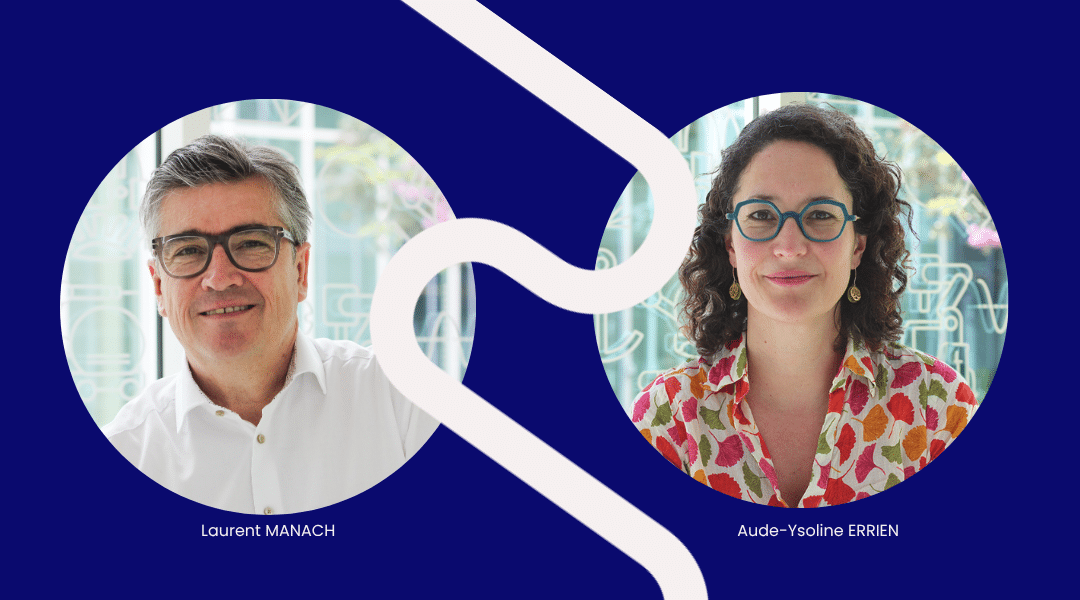
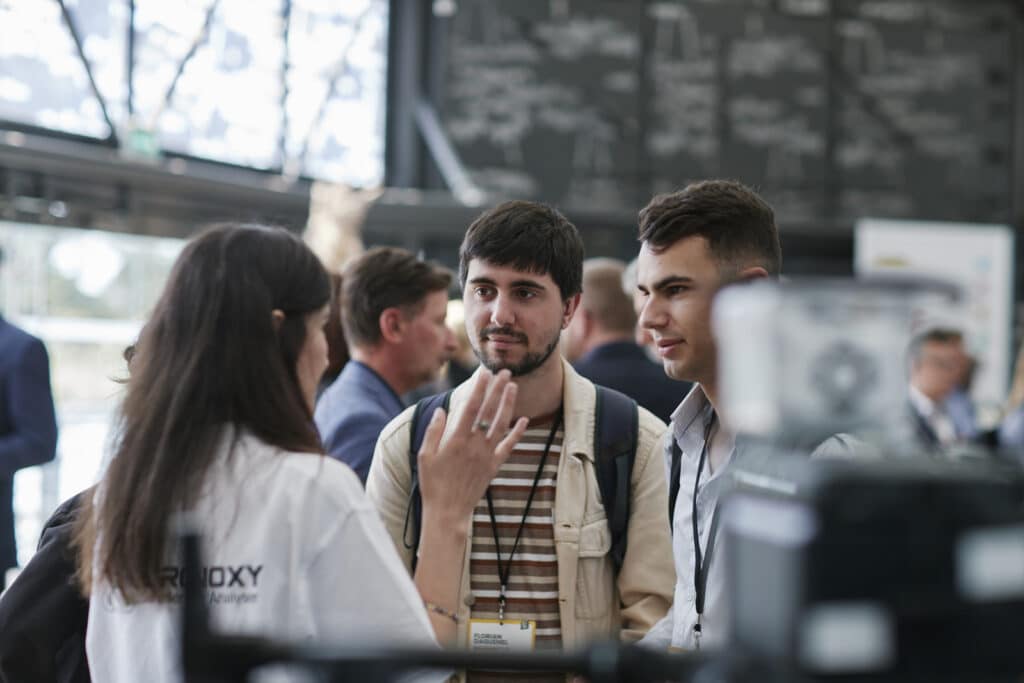
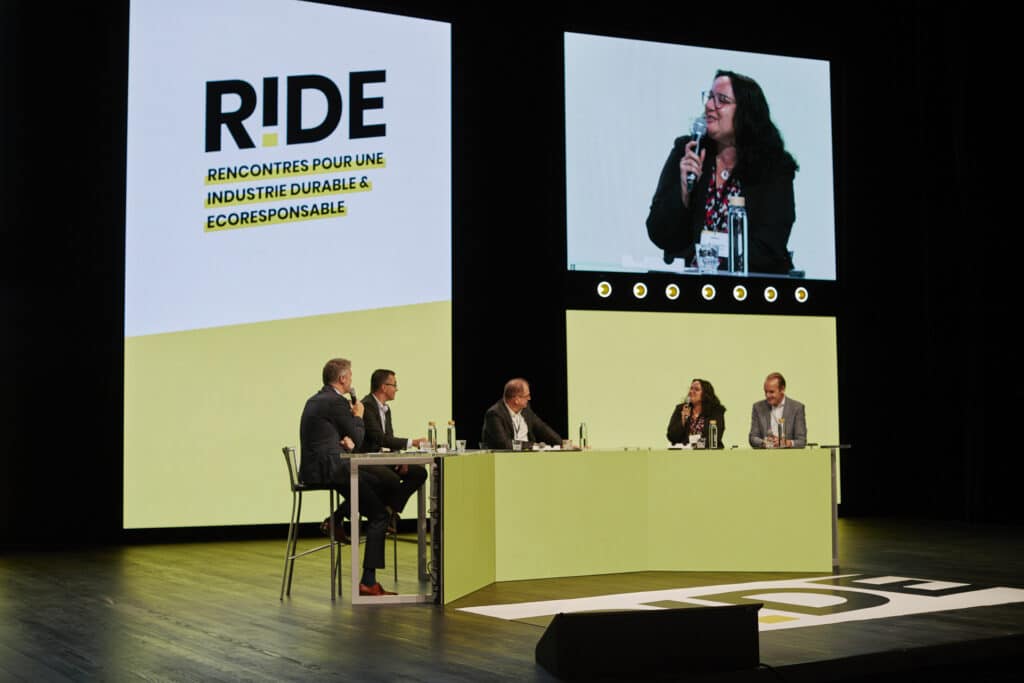
The EMC2 Cluster is organizing the RIDE trade show, the sustainable industry event in Nantes, on June 9. What will be the highlights of this event?
For this edition, the RIDE (Conferences for a Sustainable and Eco-Responsible Industry) event will highlight industrial sovereignty. This theme confirms what we have anticipated for some time, as reflected in our 2020 Manifesto for an Eco-Responsible Industry, which included a section titled “Toward a Strategic Industry to Address Sovereignty Challenges.” Today, we have many examples that support this argument.
The first example of industrial sovereignty is the next-generation aircraft carrier (PA-NG), which will be built in the Nantes-Saint-Nazaire area, in Indret. We will be joined by the Director of Defense Industry at the Ministry of Defense, who will explain how the ministry is organizing its efforts to support the defense industry. This is a highly strategic vision.
Another highlight of RIDE will focus on energy supplies. Nuclear power is currently France’s second-largest domestic energy source, which allows us to address challenges related to gas supply—not to mention oil. The interministerial delegate will speak to explain the issues involved. The nuclear reactors for the aircraft carrier and next-generation submarines will be manufactured here in France.
Industrial sovereignty also depends on its financing. Recent decisions have been made regarding the financing of industry, and the defense industry in particular. What interests us is how microbusinesses and small and medium-sized enterprises can tap into some of this funding.
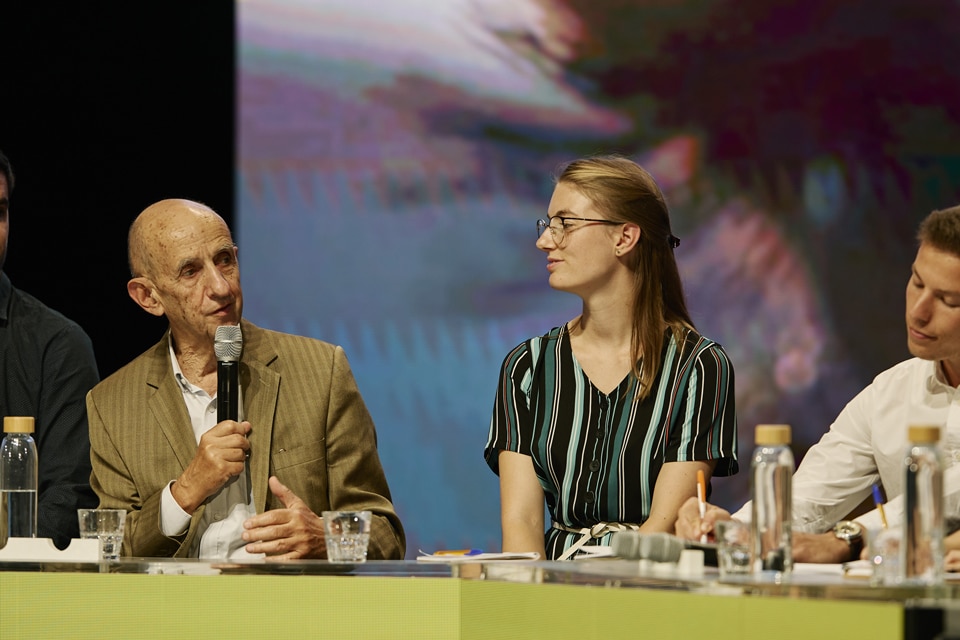
A final segment will give the younger generations a chance to speak. When you’re young and helping to build a ship or an aircraft carrier, do you feel like you’re part of that national sovereignty?
How can innovation help make the industry more sustainable?
Indeed, innovation must help make industry more sustainable and environmentally responsible. In the Manifesto for a Sustainable and Environmentally Responsible Industry, the position taken was that everyone has a responsibility to contribute to the economic development of their company or organization.
A concrete example is the Normandy-based company Depestele, which produces flax. Over time, they have established an R&D program to diversify the applications of their fibers into composites and technical biomaterials. The EMC2 Cluster assisted them in setting up and obtaining certification for six R&D projects, all of which received funding. Recently, they have forged close ties with Centrale Nantes and its GeM laboratory, with plans to potentially establish a presence there to tap into the highly dynamic local ecosystem. This case is a great illustration of the power of this ecosystem.
In addition to supporting our members’ innovation projects, we are also pursuing two strategic initiatives. First, autonomous production systems. China certainly has a head start in this area, with highly publicized examples such as the robots at the Beijing Marathon or autonomous cars. In Europe, the issue is not so much about running factories without humans, but rather about helping humans manage unforeseen events. It’s also about innovating so that we’re not limited to managing a single machine, but rather by pooling production lines across multiple factories. And we in the West have a role to play in these autonomous production systems, particularly in the Nantes-Saint-Nazaire and Vendée regions, because we have experts in the various components that make up these systems.
The second focus area is emerging production systems. Geopolitical, regulatory, social, and technological constraints—as well as all issues related to planetary boundaries—will become increasingly significant. We need to look ahead to 2050 to take these constraints into account and assess their impact on industrial production so we can manage unforeseen events. If we do not plan ahead, we will not be able to adapt when the time comes.
Do you think companies are ready to look ahead to 2050?
This is a topic that’s increasingly making its way onto the agenda. As for whether companies are ready, that really depends on their level of maturity. The EMC2 division is there to help them take a step back by organizing workshops and bringing in speakers to encourage them to ask the right questions—because this isn’t science fiction.
By the end of the year, we should be able to present a new version of our technology roadmap that incorporates this longer-term vision. This is just the first step in what we believe is a key area.
What impact might the current geopolitical situation have on local manufacturers?
The first observation regarding the current situation is that our model—a model of lasting peace—seems somewhat outdated. We must prepare for the industrialization of our arms production; this is a matter of sovereignty. The good news is that France is the world’s second-largest arms exporter, so we already have the expertise.
The second observation is that we need to reevaluate our entire supply chain. The priority for companies today is to secure their supply chains and maintain sovereignty over all their components and solutions. This is not an entirely new issue. Take titanium, for example—a material imported from Russia—which we now know how to replace with carbon fiber composites.
Conversely, a third impact of the current geopolitical situation is that it may have a positive effect on business activity. This is either because certain local companies are experiencing an uptick in business related to defense or nuclear needs (such as the ECODEF and Péon programs), or because their technology enables them to tap into new markets, such as the defense sector. In this regard, we are seeing a shift in attitudes, with companies that previously did not want their technology used for military purposes now agreeing to put that technology to work to protect soldiers. Calls for proposals are increasingly open to dual-use innovations, as is private funding.
The current geopolitical situation can have a positive impact on business activity if companies’ technology enables them to tap into new markets, such as the defense sector.
What message would you convey to a company interested in setting up operations in the region?
In Nantes Saint-Nazaire, we have a highly organized ecosystem, with strong industrial sectors and companies ranging from major contractors to very small businesses, all of which have the capacity to work across different sectors simultaneously. We also have strengths in higher education and research, including the IRT Jules Verne, the University of Nantes, IMT Atlantique, Centrale Nantes, and others.
And there is still room to welcome new industrial companies, particularly in other sectors. We have land available in prime locations, just a stone’s throw from the airport or a bit further away. For example, in the INODUS zone, where we will soon be inaugurating the new L’Etoile du Sud building.
Supporting Sustainable Industry in Nantes-Saint-Nazaire
The EMC2 Cluster serves on the board of Nantes Saint-Nazaire Développement and contributes to the region’s strategy. It supports businesses in three ways:
- Sharing visions that are both technological and forward-looking. Thanks to its neutral stance, the EMC2 cluster serves as a trusted third party. To this end, we organize conferences and workshops.
- Encourage networking to prevent businesses from becoming isolated. In practical terms, this might involve a business owner who has just returned from China or discovered a new technology at a trade show, or another who is struggling to recruit—we invite them to connect with one another.
- Supporting technological innovation and industrial performance through programs that include audits, the identification and development of action plans, and the pursuit of public and private funding.