In Nantes, Gobano Robotics is leveraging AI to automate the manufacturing industry
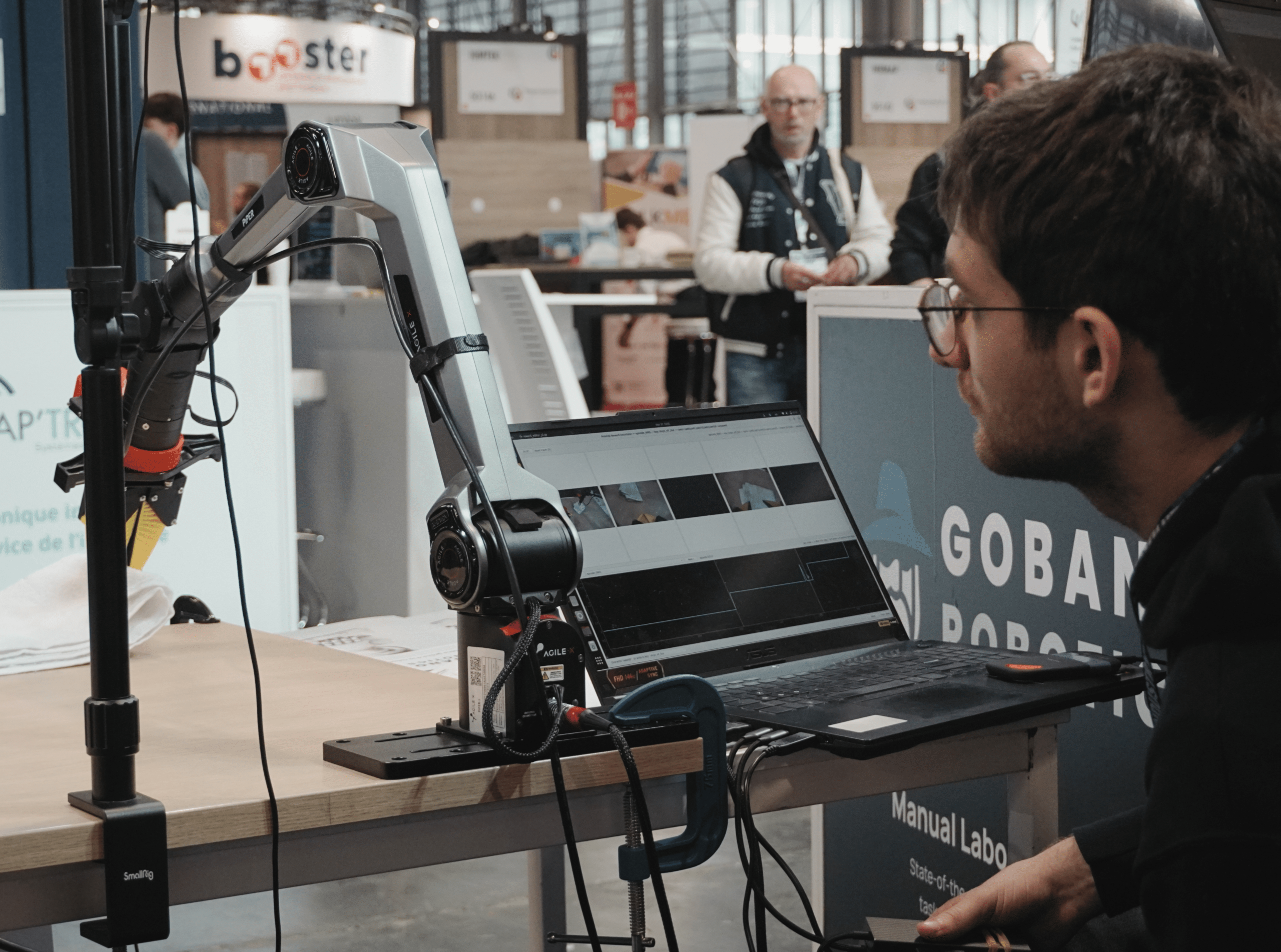
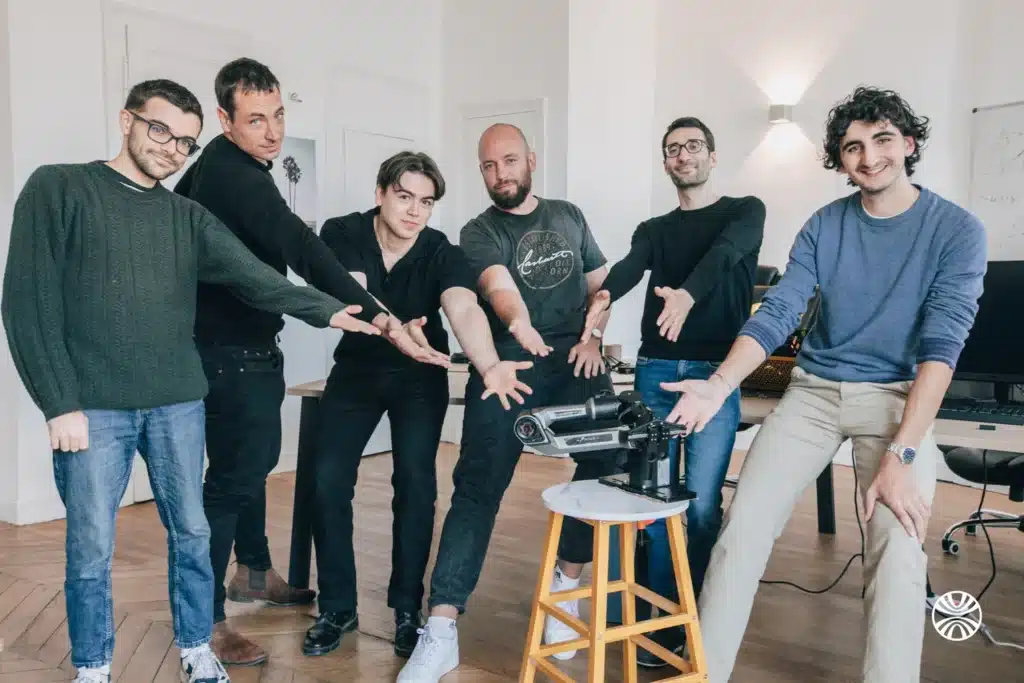
They met while attending engineering school, but it wasn’t until a few years later that Ziad Khoury and Roch Molléro decided to pool their expertise. The former is a tech entrepreneur; the latter, who holds a Ph.D. in artificial intelligence, has worked in particular on integrating AI into robotics. “With major research on the subject having just been published, we realized we were witnessing the ‘ChatGPT moment’ of robotics,” says Ziad Khoury.
Automate Repetitive Tasks with AI
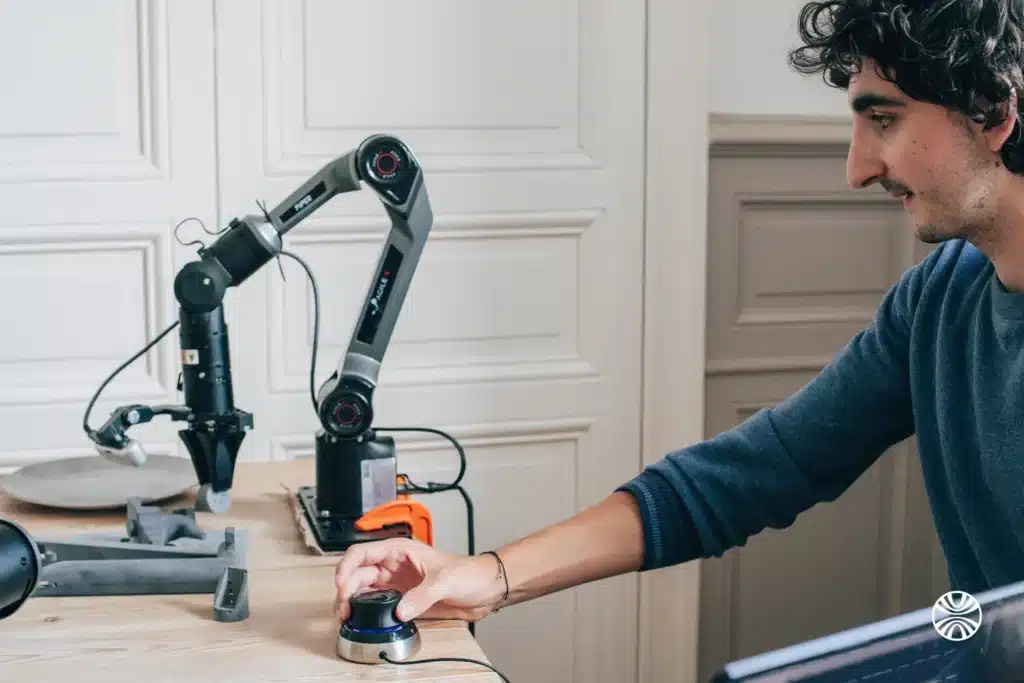
Launched in early 2025, Gobano Robotics quickly assembled an R&D team to develop its technology. This technology enables a robot to learn to replicate human movements based on repeated demonstrations—even if they aren’t exactly identical—allowing it to adapt to different situations. “We’re able to automate tasks that were previously impossible to automate,” says Ziad Khoury, CEO.
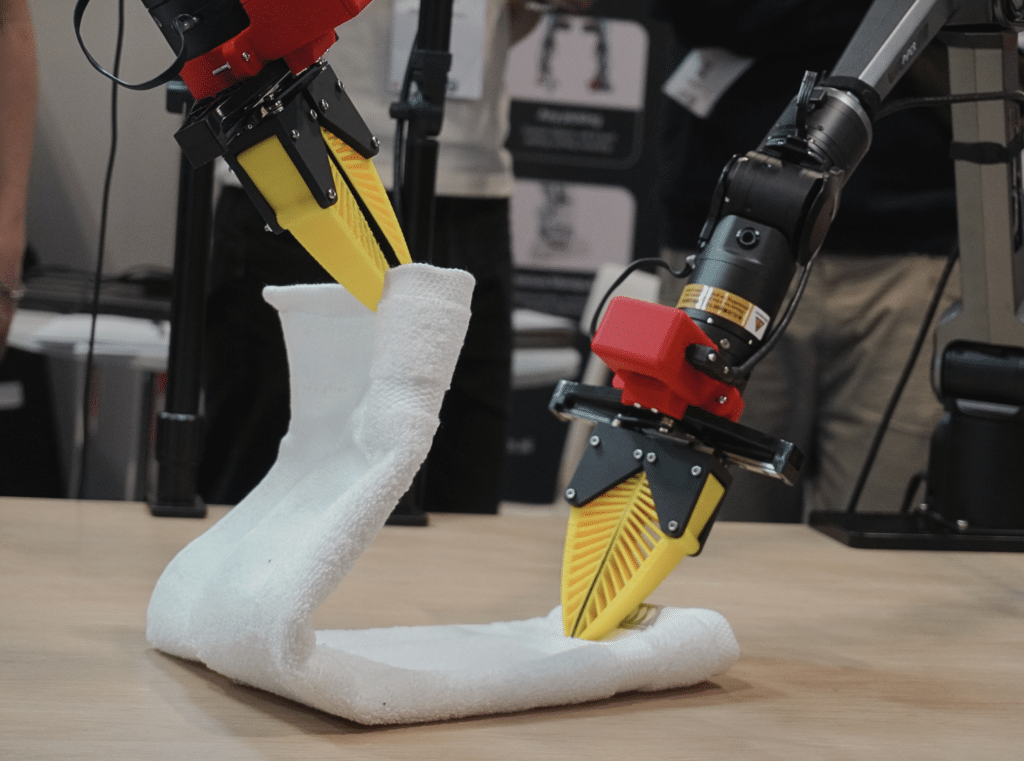
The startup primarily targets repetitive, low-value-added tasks in industry: sorting, assembly, handling flexible materials (textiles, cables, foam), and feeding machines. “Our technology enables rapid learning of new tasks: the robot can be up and running in just a few days.” It is designed for a wide range of industrial companies in manufacturing and logistics.
Frugal AI in the Service of Sovereignty
For the co-founder, this approach addresses issues of industrial sovereignty: “Faced with the Chinese steamroller and the United States, which is accelerating its automation efforts, Europe has no choice but to keep pace in order to remain competitive.”
Gobano Robotics is also developing a unique approach to artificial intelligence. “We design more compact models capable of operating locally, without relying on the cloud. This requires less data and less computing power.” This so-called “frugal” approach makes it possible to both reduce the environmental footprint and maintain control over the data.
A phased rollout in the field
After an initial research and development phase, the startup now has an MVP (Minimum Viable Product), ready to be tested in real-world conditions. “We’re counting on performance improvements to happen directly in the field, where the robots will continuously learn and improve. It’s a new approach to robotics,” explains Ziad Khoury, who says he is in talks with a handful of industry players to roll out the first pilot projects.
Nantes: An Ecosystem Conducive to Industrial Innovation
While Ziad Khoury is based in London, along with the marketing functions, the core of the team—particularly R&D—is based in Nantes. “The city has a recognized academic ecosystem in robotics, with major industrial players, a dense network of small and medium-sized enterprises, and even system integrators and robot manufacturers. ” The quality of life and the availability of affordable office space also played a role in the decision to set up there.
“Nantes Saint-Nazaire Développement has facilitated our integration into the local ecosystem, helped us identify the right partners, and accelerated our connections with industry leaders and public sector stakeholders. “It’s important to feel supported and recognized,” says Ziad Khoury. The startup intends to establish a long-term presence in the region, with the goal of developing a true R&D center in Nantes dedicated to next-generation robotics.”
- Learn more about Gobano Robotics
Gobano Robotics was supported by Nantes Saint-Nazaire Développement.