Measuring your impact: when data drives transformation
CO2 emissions, energy consumption, the environmental footprint of products… measuring impact is an essential component of any corporate social responsibility (CSR) initiative. It is also a crucial step in identifying areas for improvement and taking action.
Measure to Understand
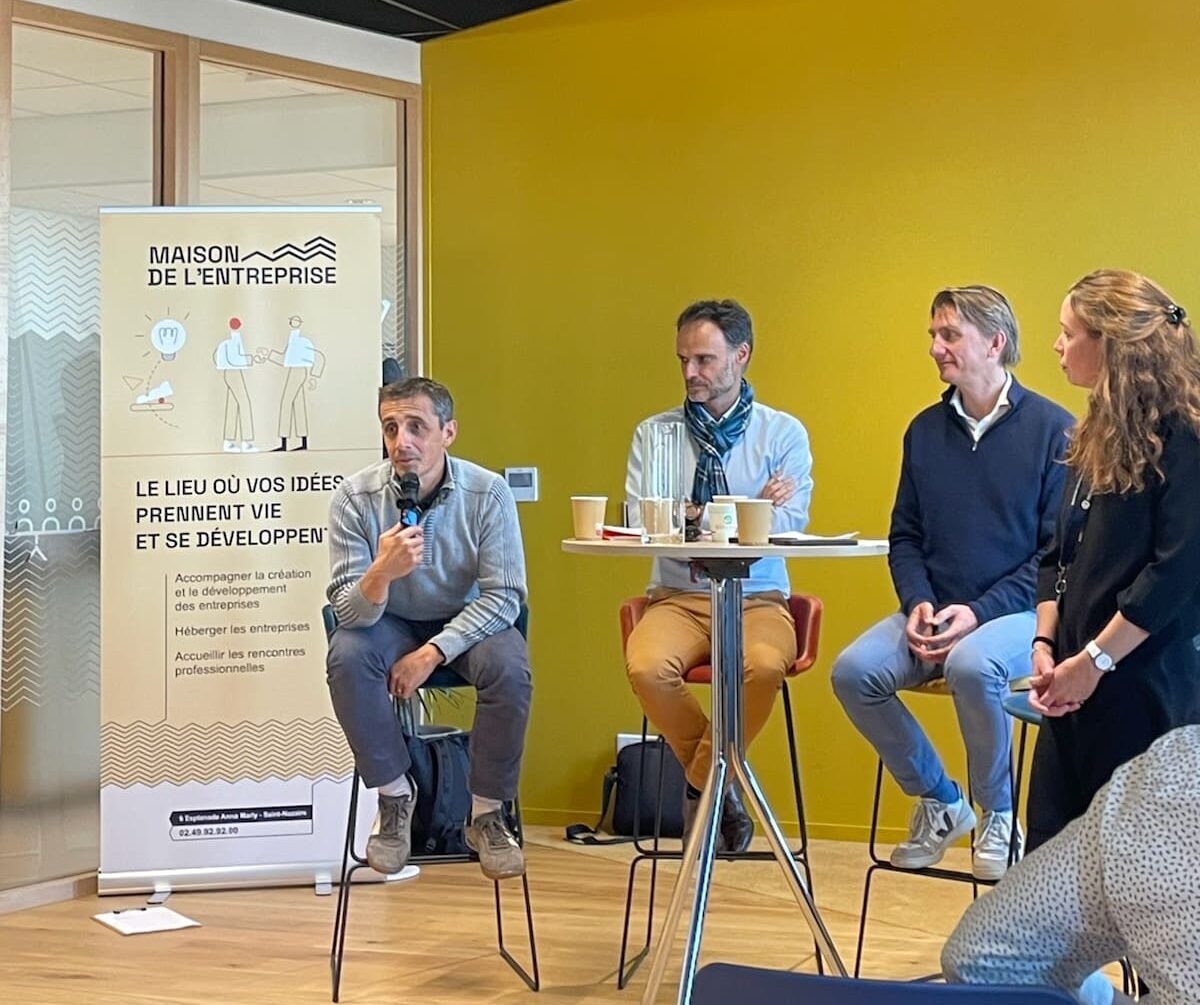
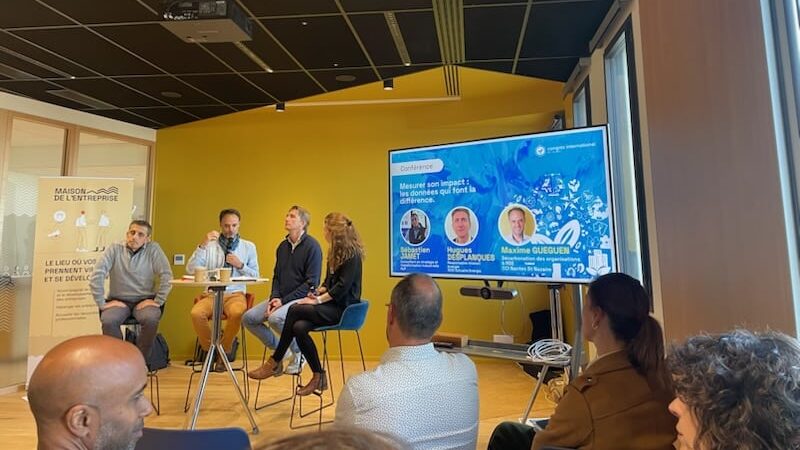
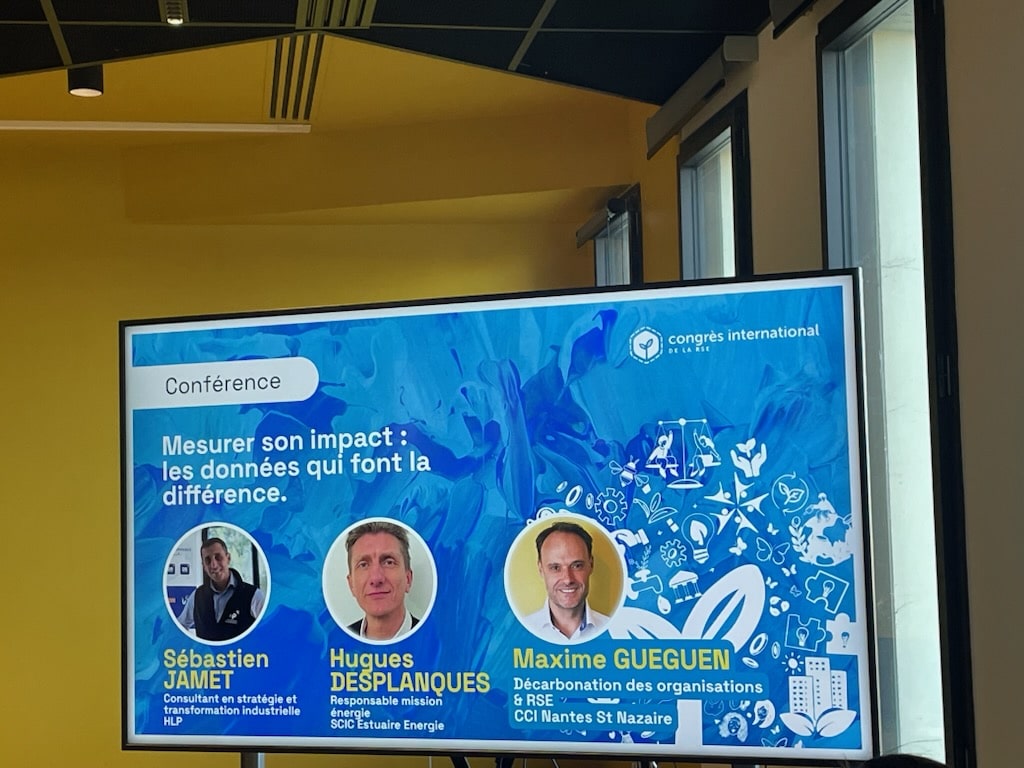
For Maxime Guéguen, impact assessment is far from being a purely technical exercise: it is a key to understanding. As part of the Ecological Transition team at the Nantes St-Nazaire Chamber of Commerce and Industry (CCI), he supports businesses by focusing on three areas: overall CSR strategy; carbon footprint assessments, which enable companies to evaluate their dependence on fossil fuels; and the eco-design of products and services, based on life cycle assessment (LCA). The goal: to help companies make informed choices and better understand their environmental impacts. He cautions, however, against striving for exhaustiveness, which could prove tedious or even fruitless. “Fortunately, current tools allow us to work on the basis of assumptions.”
From Awareness to Action
“It’s about taking a holistic view so we can pull the right levers,” emphasizes Sébastien Jamet. The CEO of HLP, an SME specializing in industrial performance and digital lean, describes the results of the life cycle assessment conducted with ADEME as a real eye-opener. “We discovered that 80% of our environmental impact was due to the consumption of minerals related to screens.” Based on this finding, the company developed a roadmap focused on four key indicators: impact on minerals, fossil fuels, climate change, and, to a lesser extent, water eutrophication. The effects of this roadmap extend beyond the company itself. “We are now able to tell our customers the CO₂ emissions and mineral impact of their lean digital systems.”
Energy as a Collective Compass
For Hugues Desplanques, the initiative is first and foremost a matter of cooperation. Founded on the initiative of the Chambers of Commerce and Industry (CCI) of Nantes-Saint-Nazaire and Ille-et-Vilaine, SCIC Estuaire Énergie now supports 75 member organizations—SMEs, mid-sized companies, business clubs, and others— — in their energy transition: energy planning, energy procurement, consumption management, and local energy utilization. To achieve this, Estuaire Énergie relies on metrics for reducing consumption, lowering emissions, and increasing the share of renewable energy in the energy mix, with a strong emphasis on collective momentum and cooperation among members.
Data That Transforms Strategy
The three speakers agree: data has value only if it influences decisions. Hugues Desplanques cites the example of a manufacturer who reduced costs and emissions by adjusting cooling cycles. At HLP, data has reshaped product development: “We’ll be presenting our customers with a new product—perhaps more expensive—but one with a smaller environmental footprint.” Elsewhere, data is driving changes in business models.
“A carbon footprint assessment alone is useless,” insists Maxime Guéguen, who emphasizes the need to integrate this tool early on so that companies can identify their dependence on their entire value chain. “In many cases, particularly in industry, up to 90% of the impact comes from the upstream supply chain.” This realization then becomes a strategic lever. “By showing executives that their business relies heavily on high-carbon clients, we encourage them to realign their business strategy—for example, by diversifying into sectors less dependent on fossil fuels. This is a shift that is both environmental and economic, and is linked to the company’s long-term sustainability.”
Is Standardization Desirable?
For Maxime Guéguen, a tool like the carbon footprint assessment—which is now well established in companies—allows everyone to speak the same language. If applied to other environmental impacts, it could provide a more comprehensive view. Flexibility is essential, however: a tool that is too rigid risks becoming obsolete.
Although he welcomes the principle of treating financial reports and environmental impact reports as equals, Sébastien Jamet points out the complexity of an initiative such as the CSRD (Corporate Sustainability Reporting Directive). “Even for an SME with 250 employees, the amount of data to be collected is enormous. A balance between standardization and flexibility in the tools used would undoubtedly be preferable.”
“There’s no such thing as a ‘magic’ indicator,” insists Hugues Desplanques. “What matters is the value of the data and the ability to make use of it.” The data from energy contracts and dynamic load curves of Estuaire Énergie’s 75 members thus serves as a powerful tool for taking action.
From industrial SMEs to energy cooperatives, the lessons learned are consistent: impact measurement is not an end in itself. It is a catalyst for collective learning and a tool for aligning economic performance with environmental responsibility. When used effectively, data helps companies transform more successfully.
> Learn more about transformation support