The PACE program connects culture and business
“Culture is the one major element missing from companies’ CSR initiatives,” observes Doris Abéla, who heads the “Responsible Economy, International Affairs, and Culture” division at Nantes Métropole. “Yet it is a real driver of corporate engagement in the local community and contributes to employee well-being and engagement.” Based on this observation, Nantes Métropole developed the Corporate Cultural Action Program (PACE) in collaboration with economic and cultural stakeholders. An initial pilot program was launched in 2022 with two Nantes-based companies, Arest and Nature et Aliments.
A Customized Artistic Journey
The program allows companies to discover and engage with artistic and cultural experiences, organized into customized thematic itineraries. “We take into account the company’s history and challenges, and we analyze cultural practices through a questionnaire administered to the teams,” explains Doris Abéla. This initial phase helps define key areas of focus, which are then refined through individual, confidential interviews with all employees. “Individual cultural practices are a private matter and are often rarely shared among colleagues,” notes Emma Olmos, a project manager.
Employees at the Heart of the Program
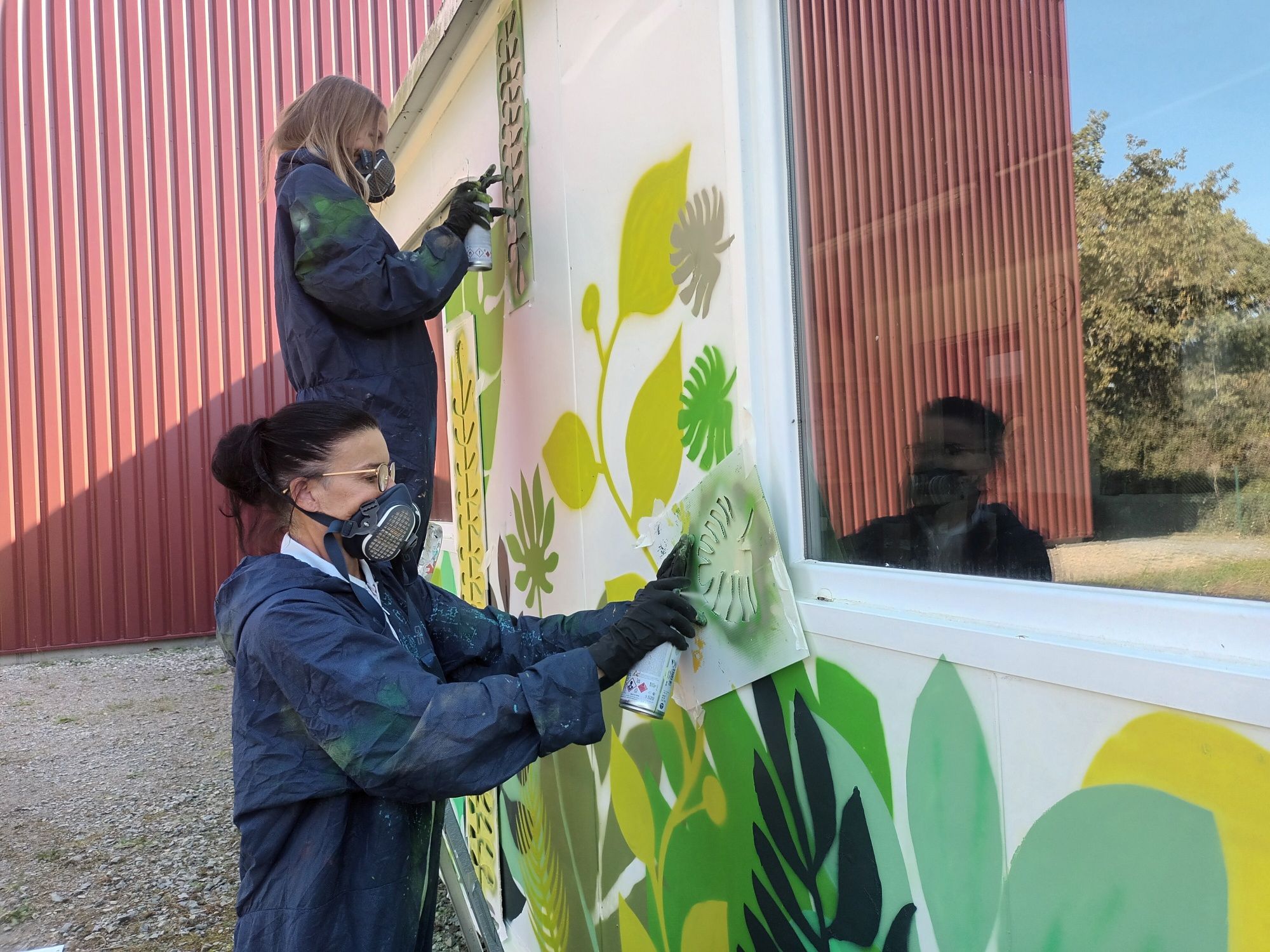
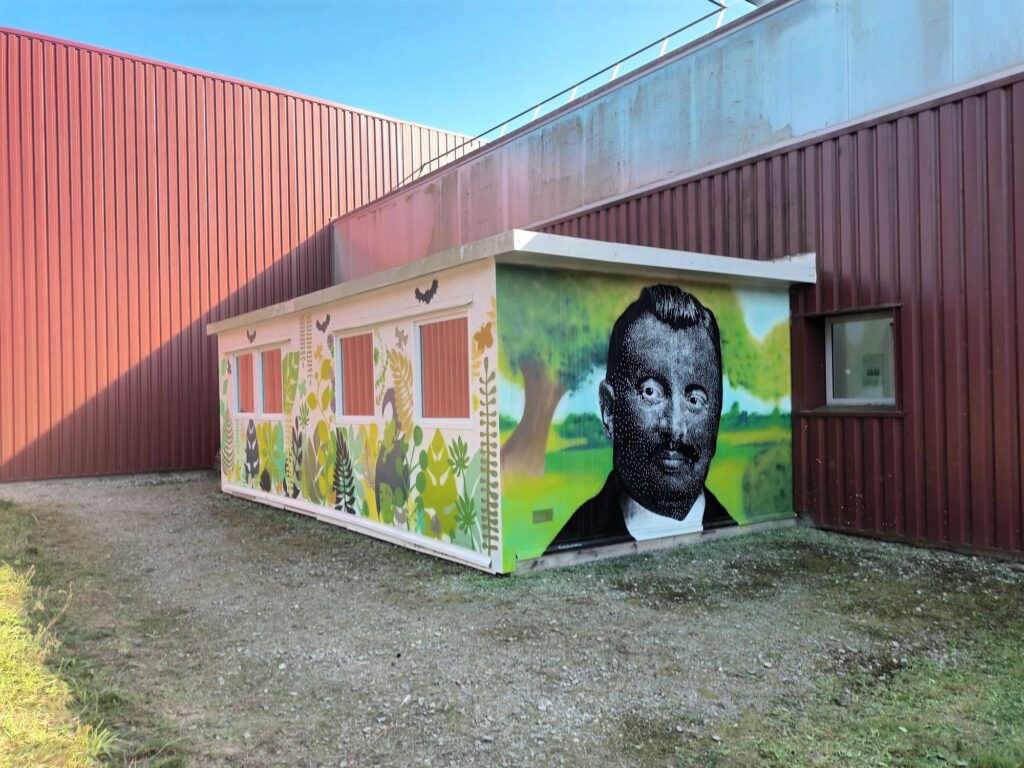
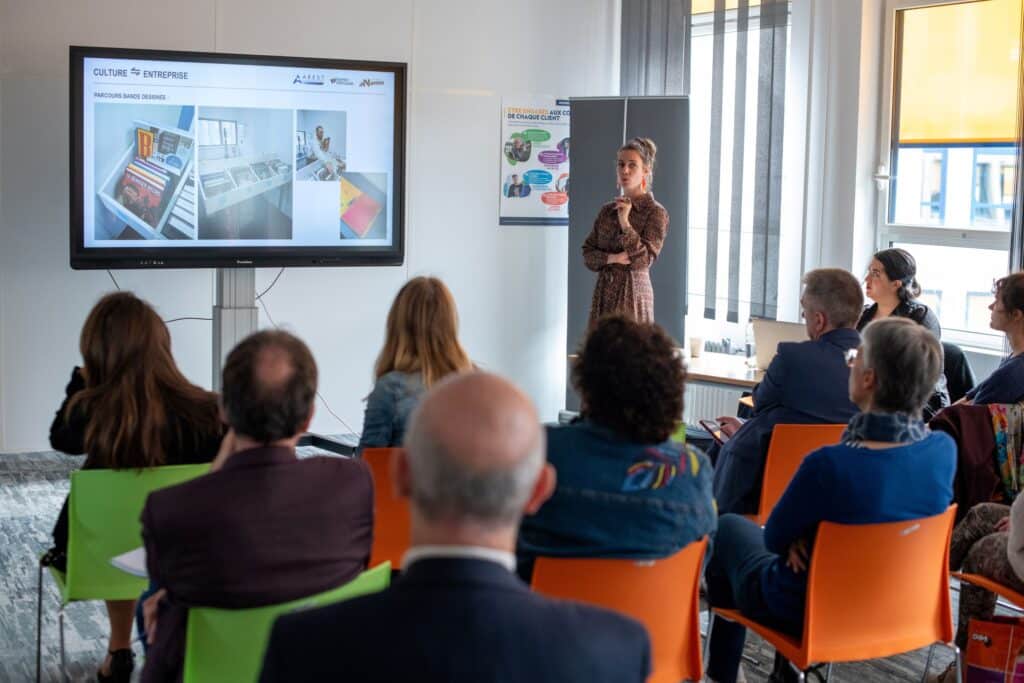
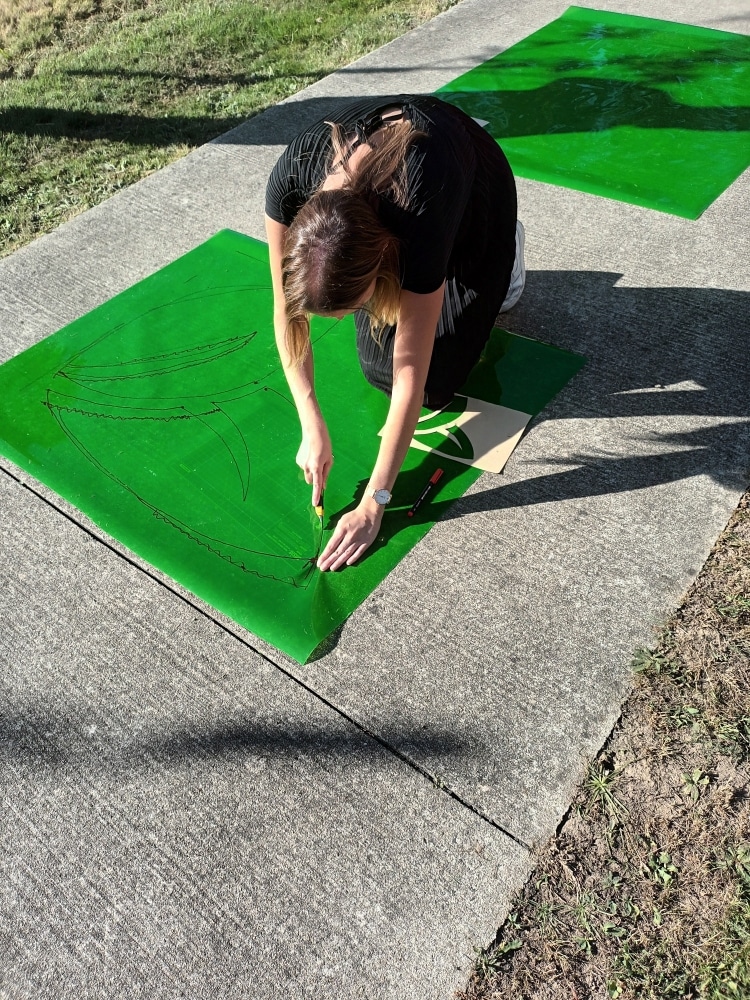
Based on this assessment, the PACE team proposes themed programs in consultation with employees. For Nature et Aliments, five programs have been established: photography, sound, literature, colors (a participatory mural), and natural sciences. “The field of culture is very broad, and scientific and technical culture is part of it,” comments Doris Abéla. While management’s commitment is essential, PACE relies heavily on employees: each program is led internally by a volunteer coordinator. “Some people take to these topics more easily, while others need more convincing.”
Overcoming Reluctance
The proposed themes are based not only on students’ interests but also on the disinterest—or even rejection—that may have been expressed toward certain disciplines. “Arest showed little interest in opera and the fine arts, so we set out to challenge that by offering two of the five available tracks dedicated to these arts. It is in this process of cultural enrichment that our added value lies,” says Doris Abéla.
A network of cultural partners
The program is developed in collaboration with partners who are experienced in cultural mediation, who provide analytical insights and help participants appreciate the work and the artistic process. “We explain to them the assessment, the challenges, and the budget the company is willing to allocate.”
Long-term support
The PACE program typically spans two to three years. “Each program is designed to be progressive and includes several stages leading, for example, to the discovery of a work.” Before attending the premiere of the opera *Béatrice et Bénédict*, the Arest teams were able to tour backstage, observe the creation of sets and costumes, take part in a singing workshop, participate in a public session of “Ça va mieux en le chantant,” and attend a choir rehearsal.
Seeking committed companies to join the program
Today, the method has been proven effective, and both pilot projects are nearing completion. Nantes Métropole enlisted Audencia to evaluate the program. “We developed a questionnaire to gauge the teams’ satisfaction and find out what they want to implement next. We’re also examining the impacts in terms of employee relationships, workplace well-being, and engagement.” Nantes Métropole is seeking new companies willing to participate in this program. “This requires a certain level of commitment, including financially,” acknowledges Doris Abéla. While the assessment is free, companies directly fund the activities of the cultural partners.
Reconnecting with History
“Culture used to play a much greater role in the workplace, especially in the postwar period, when it was driven in particular by unions and works councils,” recalls Doris Abéla. By helping to develop employees’ cultural capital within the company, PACE embraces this legacy and revives this tradition, integrating it into the CSR initiatives of today’s companies.
> For more information, contact Doris Abéla