6 companies shaping a sustainable future for responsible sustainable fashion in Nantes
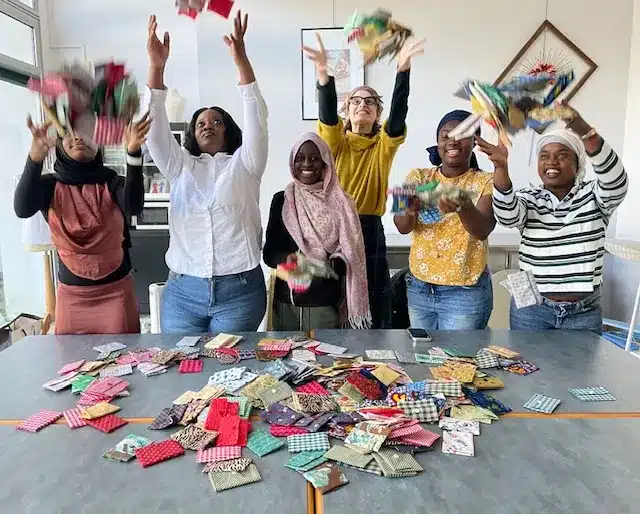
Les Simones: Textile Reuse as a Driver of Social Integration
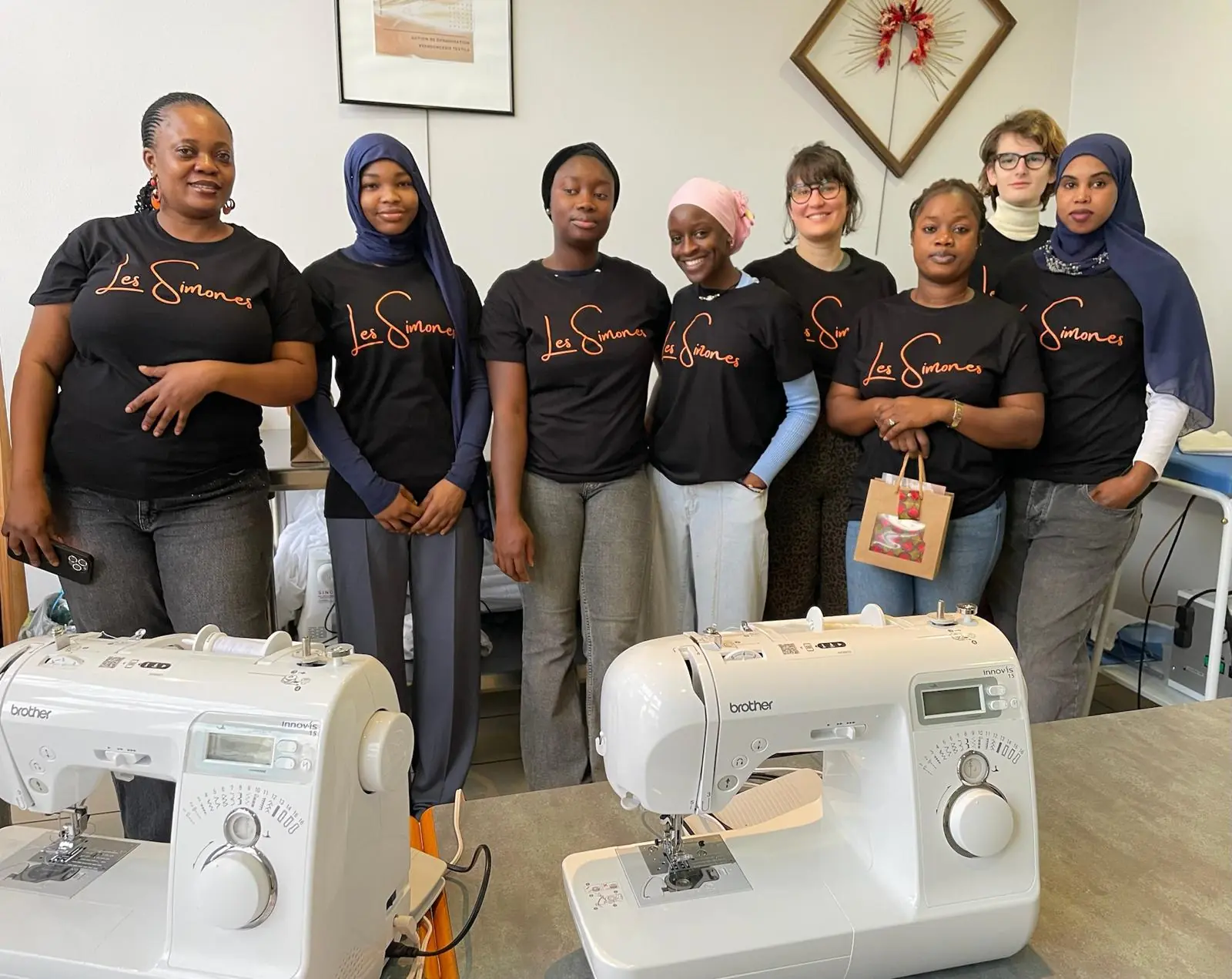
At the start of the 2026 school year, Les Simones will move into the former La Troquerie premises on the Île de Nantes. The nonprofit gives items a second life by collecting, repairing, upcycling, and selling secondhand fabrics and sewing supplies. But its mission goes far beyond the circular economy: it supports women who are far from the job market by guiding them through a professional integration program focused on the textile industry. Sewing workshops, raising awareness about responsible consumption, and promoting local craftsmanship make Les Simones an iconic player in socially impactful fashion. Their arrival strengthens Nantes’ hub dedicated to Reuse and helps make the Île de Nantes a testing ground for new consumption practices.
FAGUO: A socially responsible brand that unites the industry
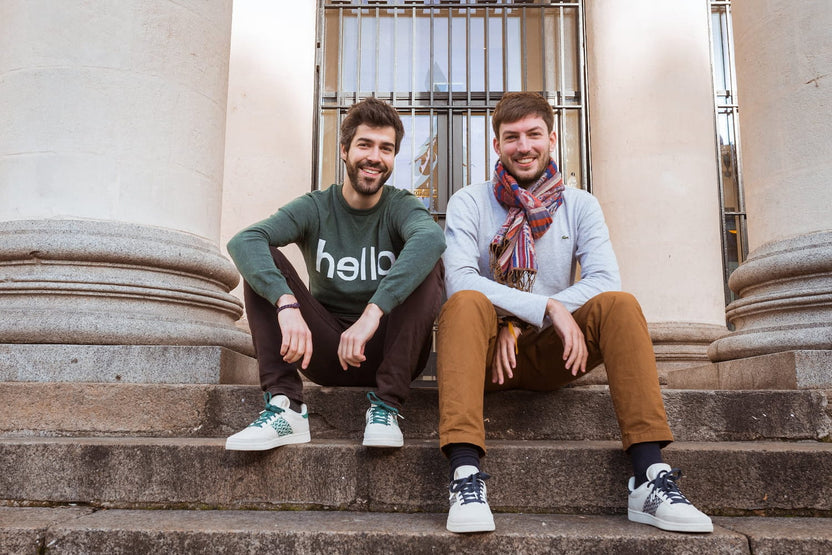
Based in Nantes, FAGUO has become one of France’s leading names in sustainable fashion. Certified as a mission-driven company, the brand designs clothing, shoes, and accessories using primarily recycled or low-impact materials, while offsetting its carbon emissions through reforestation programs. Beyond its core business, FAGUO plays a unifying role by running a new office and coworking space, created in partnership with Samoa at 4 Rue La Fayette in Nantes. This space welcomes young brands, designers, and entrepreneurs committed to transforming the industry, fostering collaborations and the emergence of new sustainable projects in the heart of Nantes.

N’GO Shoes: A Nantes-based brand that remains committed to its mission
Founded in Nantes in 2017, N’GO Shoes has established itself as one of the pioneering brands in ethical fashion in France. Its sneakers, recognizable by their patterns hand-woven by Vietnamese artisans, combine fair trade, traditional craftsmanship, and eco-design through the use of recycled and low-impact materials. The company also donates a portion of its revenue to educational projects in Vietnam. After weathering a period of economic difficulties, the brand found new momentum in 2026 when it was acquired by the Nantes-based company Graphy Océane, which specializes in textile printing. This acquisition preserves N’GO Shoes’ core identity while opening up new avenues for growth, particularly in the textile and digital sectors. This journey demonstrates that Nantes knows how to help socially conscious companies grow and support their recovery through a supportive entrepreneurial ecosystem.
Smala: Making Secondhand Shopping a Habit for Families
As the French leader in secondhand children’s fashion, Smala selects, inspects, and resells children’s clothing, shoes, toys, and equipment to extend their lifespan. It facilitates buying and reselling between individuals and addresses a dual challenge: reducing textile waste while offering quality products at affordable prices. Its business model, based on circularity and trust, supports the evolving consumption habits of families. The company is contributing to the growth of a more sustainable economy, where Reuse is becoming a major driver of carbon footprint reduction.

Valone: The Trail Running Shoe Built to Last
Based in the new coworking space run by FAGUO, Valone is developing an eco-designed, repairable trail running shoe manufactured in Europe. The startup is completely rethinking the product’s life cycle to minimize its environmental impact: recycled or bio-based materials, a design that promotes repairability, and local production networks. By targeting athletes concerned about their environmental impact, Valone demonstrates that it is possible to combine technical performance with environmental sustainability. Its presence in Nantes reflects the dynamism of a region that supports the emergence of new, responsible brands.

Hakino: Sustainable Eyewear Designed with a Different Approach
Hakino is part of a new generation of companies that are reinventing everyday objects through eco-design. The brand develops eyewear made from recycled or bio-based materials, with a particular focus on durability and repairability. By prioritizing responsible manufacturing processes and sustainable production, Hakino meets the expectations of consumers seeking products that are aesthetically pleasing, innovative, and environmentally friendly. Its presence in Nantes illustrates the region’s ability to attract companies that view responsible innovation as a key driver of economic development.

Thinking of bringing your fashion project to Nantes? She can help