"Nantes wants to become a living laboratory for sustainable fashion"
In what ways is Nantes today one of the leading centers for sustainable fashion in France?
Sustainable fashion is not limited to eco-design, recycling, or upcycling. It encompasses the entire value chain, from upstream research to local manufacturing and new consumption patterns. It addresses several challenges: the ecological emergency, social issues, and the need to bring some production back home.
In Nantes, we advocate for a fashion industry that creates local jobs, supports businesses through their transformation, and empowers consumers.
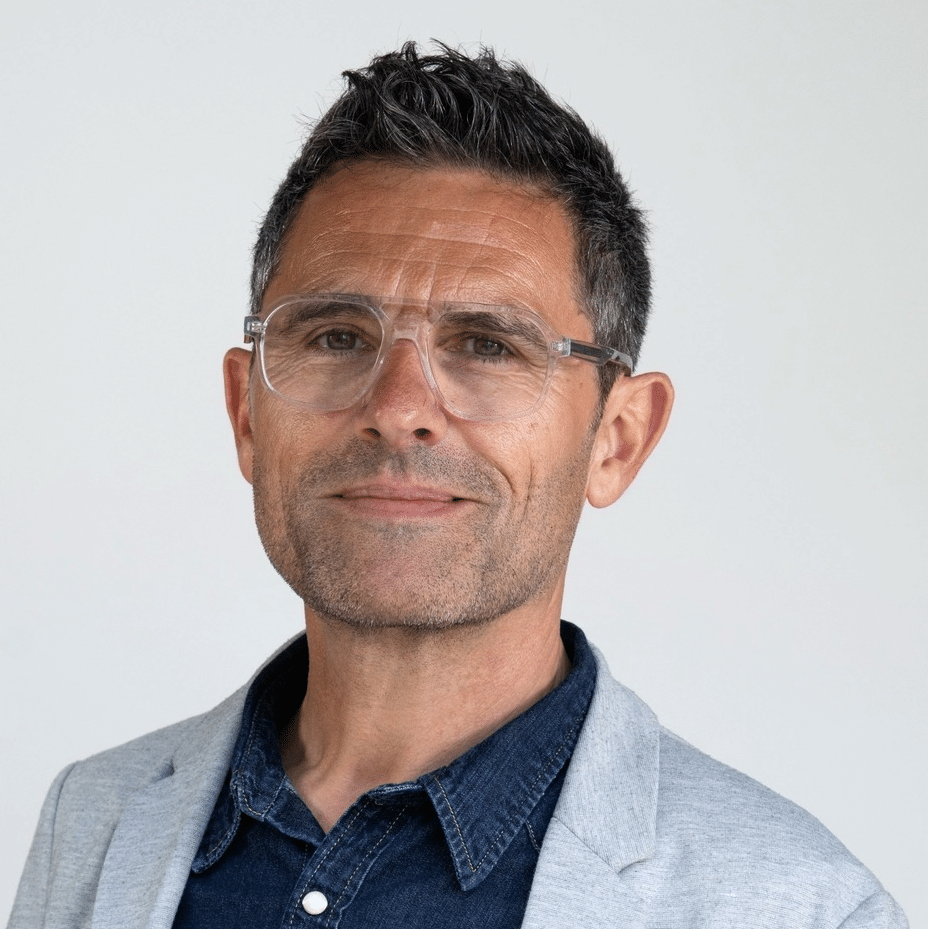
, Vice President of Nantes Métropole
Our strength lies in bringing together a wide variety of players: long-established companies like Eram, socially conscious businesses like Faguo, and startups whose business models are based on the circular economy, such as Artefact. We don’t want to single anyone out. We want to support both established and emerging companies and establish a shared identity for Nantes.
Nantes also has a unique identity. Our culture of the social and solidarity economy, our more than 15-year commitment to the CSR platform, our tradition of innovation, and our creativity all provide fertile ground.
We want to capitalize on the synergy between Nantes, a hub of creativity and innovation, and the historic industrial region of Choletais, which is nationally recognized in the luxury sector.
What strategies will help develop a more circular fashion industry?
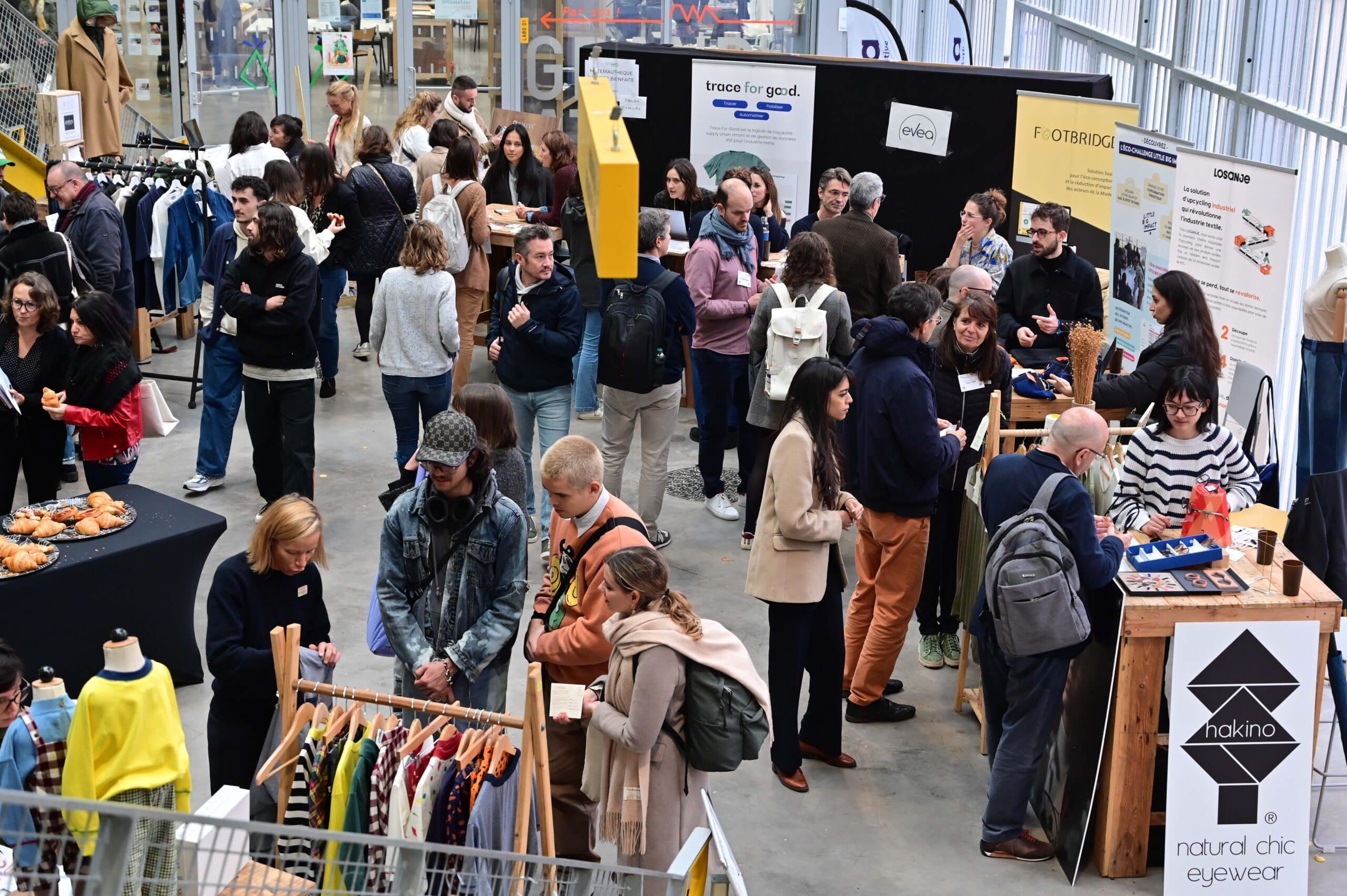
The first lever is that of physical spaces. We want to create the “Nouvelles Manufactures Nantaises,” where designers, artisans, manufacturers, and entrepreneurs can collaborate on manufacturing, Reuse, and experimentation.
The second challenge is that of “Re-made in Nantes.” Today, producing entirely locally remains difficult, but we can give existing materials a second life. This involves identifying available sources, developing expertise in Reuse, and training people in new trades.
“Re-made in Nantes” is based on two pillars: identifying sources of materials and developing skills related to Reuse. It is this combination that will enable the emergence of new, more sustainable economic models.
Why do you think cooperation among regions is essential?
No region can succeed on its own. Sustainable fashion is built through collaboration among cities, manufacturers, schools, research labs, and designers. We are already working with Lille, but we need to collaborate with other European regions that share this ambition—such as Brussels, for example.
What sets us apart is the combination of several strengths: a recognized CSR culture, a nearby industrial base, specialized schools, researchers working on economic models for the circular economy, and a network of innovative companies.
Nantes must foster an entire ecosystem, from research and training all the way to the in-store customer experience. It is this comprehensive vision that will enable the industry to be structured for the long term.
How do you envision fashion in Nantes in 2050?
By 2050, I envision Nantes as the European capital of responsible creation—a region where young creators will come to experiment with new models of production, distribution, and consumption. I hope Nantes will become a true living laboratory, where new shopping experiences, new materials, and new forms of commerce are tested. There will be a whole public-private chain, featuring emerging young brands like Artefact or Valone, followed by manufacturers such as La Fabrique d’Arakné, and then those active across the entire chain, as we’re already seeing with Faguo.
Buying a piece of clothing should no longer be just an act of consumption. We’re also buying a story, a fabric, and values. Within the next 10 to 15 years, we want to be able to imagine, test, and experiment with new retail spaces. Stores will be designed more to create an experience than to simply sell a product. They’ll blend physical and digital elements, workshops, customization, and educational content centered on the materials and values embodied by a sweater, a pair of sneakers, or a bag. Faguo is already exploring this concept for its future stores.
Yet the industry is going through a difficult period. How can we support its transformation?
The first challenge is raising awareness. We need to explain why a T-shirt sold for one euro doesn’t make sense, while showing that it is possible to produce locally at affordable prices.
The second strategy involves raising awareness of new careers in Reuse, repair, and the circular economy. The new workshops in Nantes will create meaningful jobs.
Finally, we must support businesses that offer alternative consumption models. Thrift stores, repair shops, socially conscious brands, and new hybrid retail spaces play a vital role in the industry.
Sustainable fashion doesn’t stop at manufacturing. It spans the entire process—from research to the secondhand market, including the customer experience.
What is the main message you want to convey?
Sustainable fashion is still an emerging industry, but it perfectly reflects Nantes’ values: cooperation, creativity, social innovation, and the circular economy. We want to build an inclusive industry where everyone has a place: manufacturers, designers, researchers, artisans, retailers, and consumers.
The goal is not only to transform the way clothing is produced, but also to change our relationship with consumption. Nantes has everything it needs to become a leading region in this new fashion economy.