Changing the brief: a look back at a day spent rethinking how we plan events
Against a backdrop of ecological and societal transition, economic pressures, and changing consumer habits, the events industry is being called upon to transform its practices. In Nantes and Saint-Nazaire, where more than 1,000 professional events are held each year, this challenge affects the entire ecosystem: organizers, agencies, venues, service providers, and institutions.
Rethinking the event from the very beginning
What if the transformation of the events industry began even before the venue or program was chosen? This is one of the key messages of the “Changer le Brief” conference. Beyond technical solutions, the success of an event hinges on how its objectives are defined from the very beginning.
Why organize this event? Who is the target audience? What impact do we hope to achieve? These questions form the basis of the brief drafted by an event planner or a company looking to organize a seminar. Based on this brief, the event agency, caterer, and technical service provider will determine the format, capacity, budget, deadlines, and resources required. Incorporating environmental and social considerations at this early stage allows for action to be taken at the source, rather than trying to mitigate impacts once the project is underway.
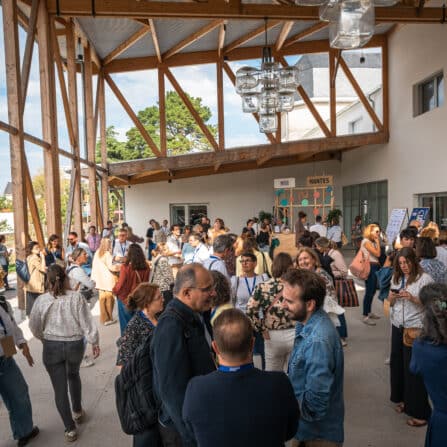
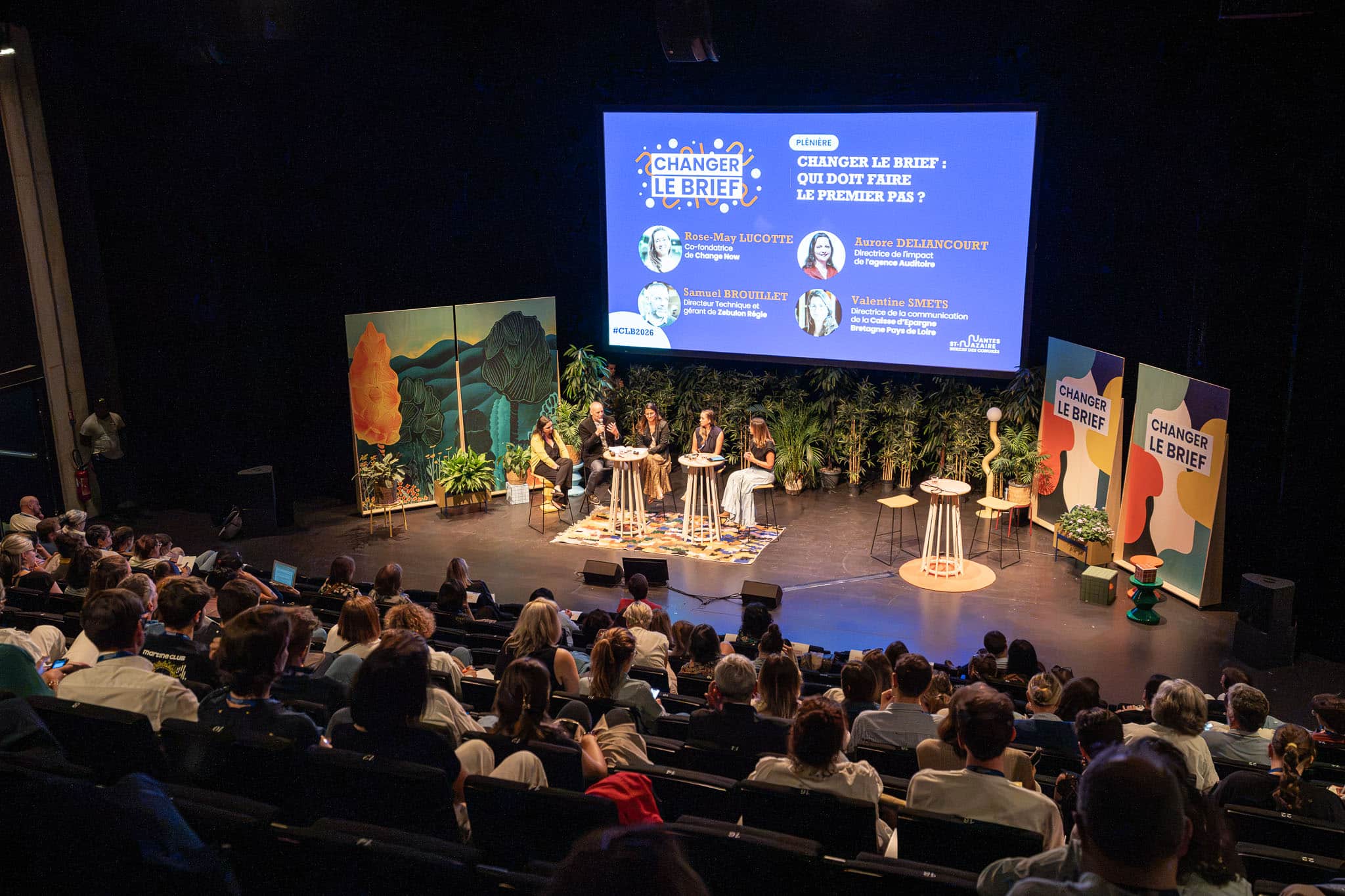
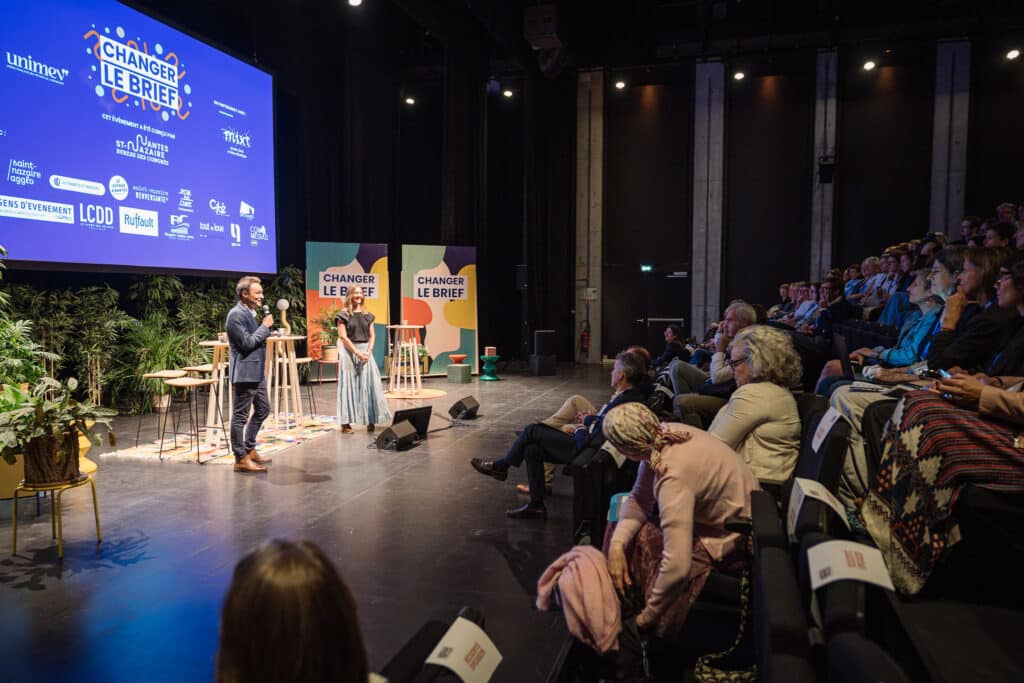
Conferences, hands-on workshops, mini-training sessions, and feedback sessions were the highlights of this first edition, all with one goal in mind: to provide professionals with practical tools to improve their practices.
Practical Solutions for Taking Action
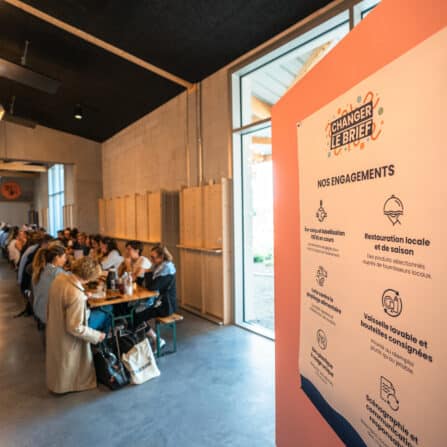
Reuse of sets and materials, waste reduction, participant mobility, sustainable catering, impact assessment… The discussions explored numerous strategies for reducing the environmental footprint of events. The fight against food waste highlighted the importance of collective action: in France, an event with 100 attendees can generate an average of 14 kg of food waste.
Through a dozen workshops and mini-training sessions, participants addressed broader issues such as inclusion, adaptation to climate-related risks, mental health in the events industry, the circular economy, and the uses of generative artificial intelligence.
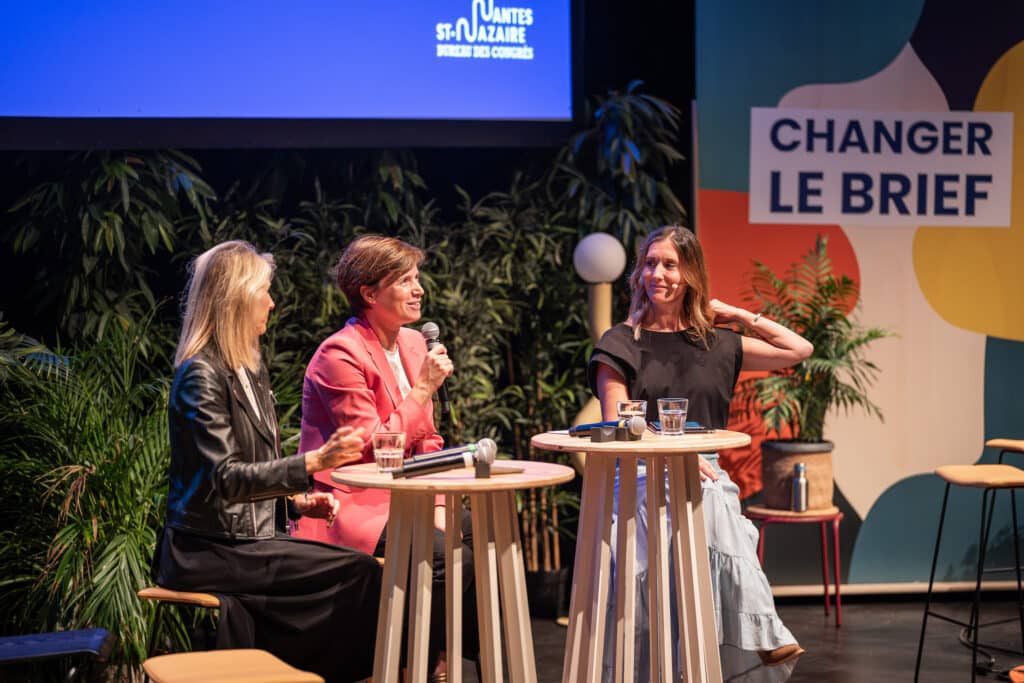
“Changing the brief means incorporating environmental issues, inclusion, and the public’s new expectations from the very beginning to create better experiences. I hold a conviction inspired by Paris 2024: foresight and boldness enable us to evolve our practices. This is how the future of event planning is built—collectively—by combining the excitement of coming together with lasting value,” explains Marie Barsacq, CEO of Paris Entertainment Company, who is leading the impact initiatives for the Paris 2024 Olympic Games.
Measuring the success of an event based on its impact on the local community
Changing the Brief also encourages us to broaden the definition of an event’s success. Attendance and the quality of the experience are no longer enough: an event is also measured by its long-term impact on participants, organizations, and communities.
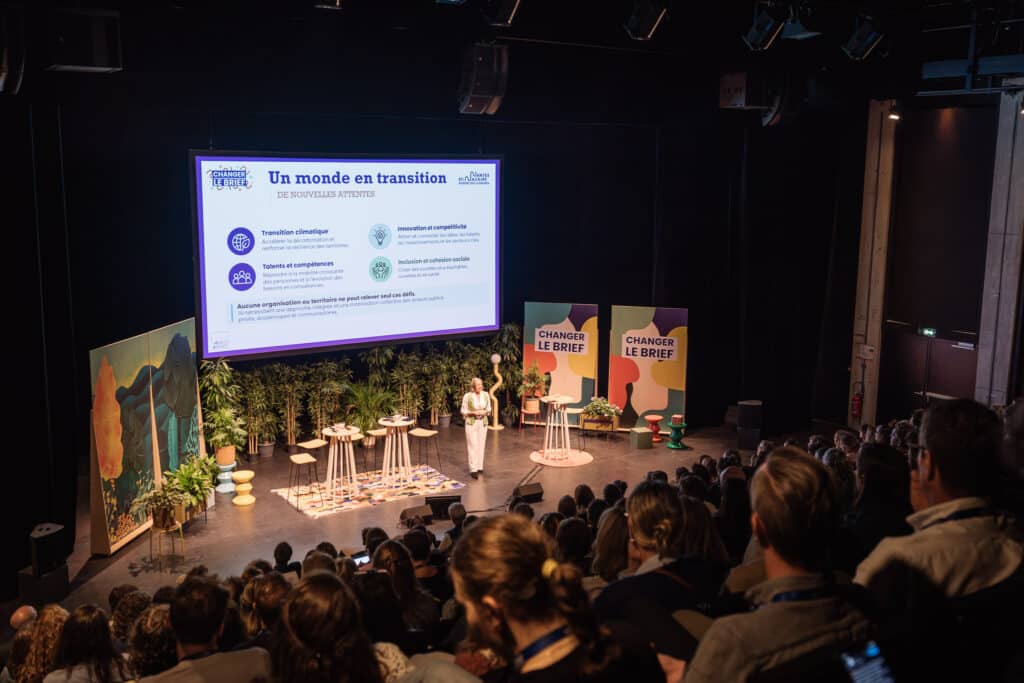
“The success of an event isn’t measured solely by what happens over the course of a few hours or days. It’s also measured by what it sets in motion afterward,” emphasizes Geneviève Leclerc, co-founder and CEO of MEET4IMPACT. This concept of “legacy” is something that stakeholders in the Nantes region are currently working on.
This vision aligns with Nantes’ ambition to “become a leading destination for sustainable business tourism by cultivating what makes it unique—its values and its distinctive way of welcoming visitors,” as Franckie Trichet, vice president in charge of tourism, points out. Here, events serve as a catalyst for regional transformation, capable of forging connections, facilitating the exchange of knowledge, and fostering collective solutions.
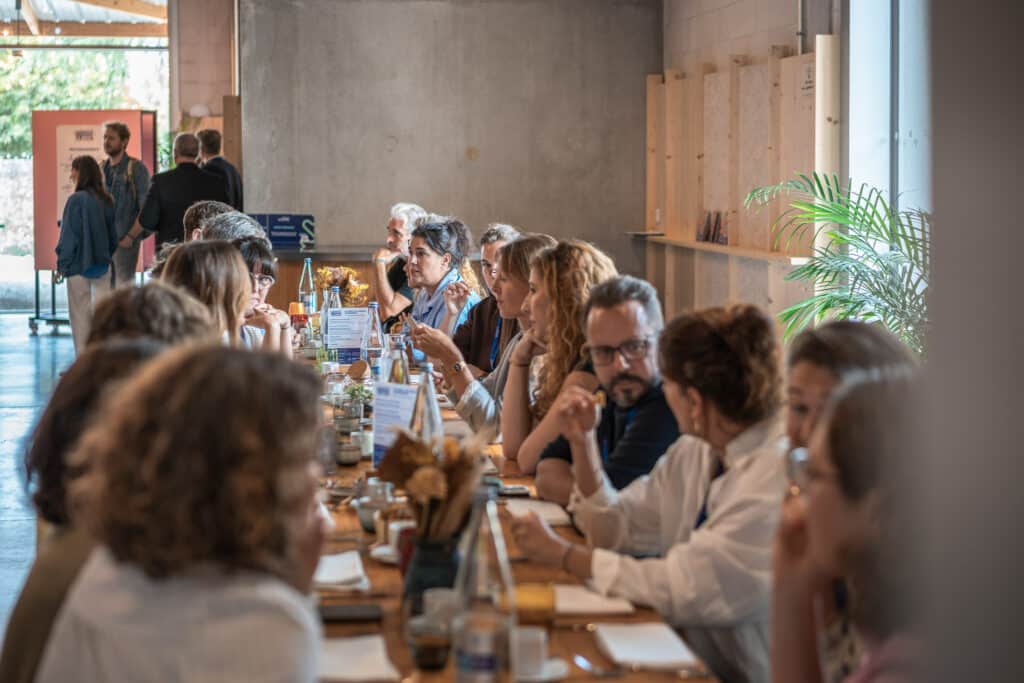
“No one can change on their own, since every choice has consequences for the other links in the chain. The goal is for everyone to leave having identified what they can change on their own level, without waiting for others to take the first step,” says Olivier Le Floch, director of the Nantes Saint-Nazaire Convention Bureau.
With this first edition, Changer le Brief aims to make responsibility a shared reflex, starting from the very conception of events. A collective effort to create, in Nantes and Saint-Nazaire, events that are more sustainable, more inclusive, and have an impact that lasts well beyond the day of the event.
Photo credit © Jérémy Jéhanin