Mission-driven companies: what if now is the right time to get involved?
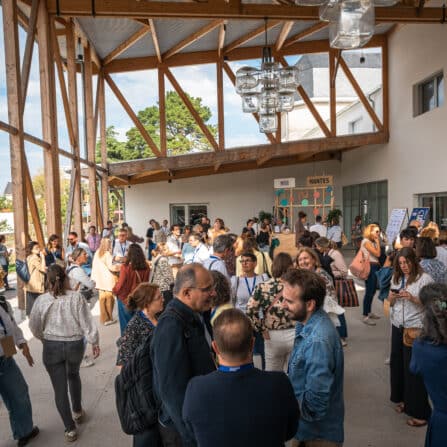
More than 2,500 companies in France have adopted the status of a mission-driven company, representing more than one million employees. And the momentum continues to build, as highlighted by Guillaume Desnoës, co-chair of the Community of Mission-Driven Companies, with more than 500 new companies taking the plunge each year. This trend is clearly visible in the Nantes area and in Loire-Atlantique, which now counts 86 mission-driven companies. Through this framework created in 2019 by the Pacte Act, companies seek to balance economic performance with societal contribution. Here’s a look back at the evening, which was rich in shared experiences and insightful perspectives.
A mission that shapes strategic decisions
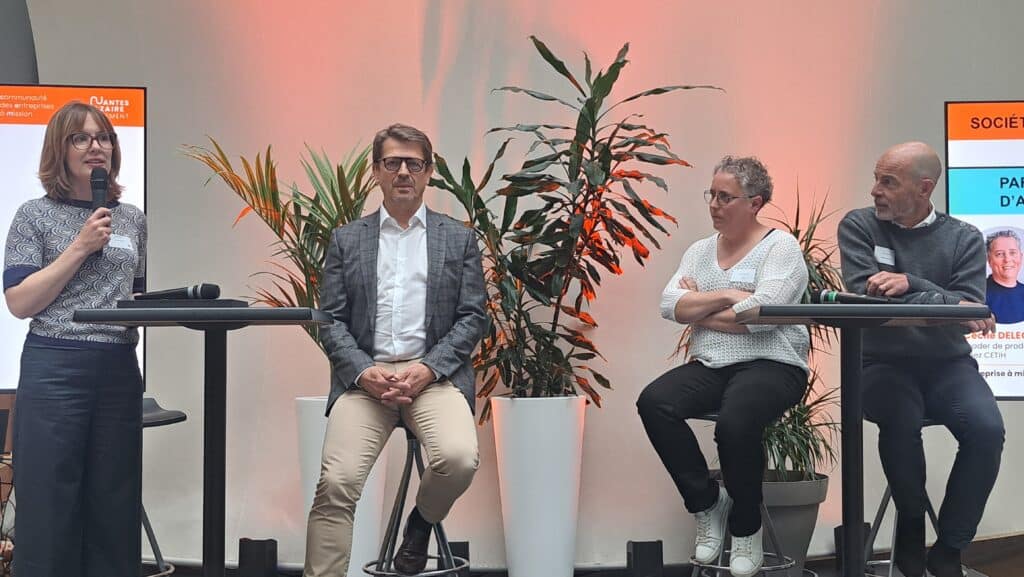
During the first panel discussion moderated by Ingrid Berthé, co-CEO of the communications agency B Side and ambassador for the Community of Mission-Driven Companies, the panelists agreed on one key point: a mission-driven company is more than just a statement of intent. For companies committed to this approach, the mission gradually becomes a framework for decision-making and a driver of transformation.
First, in terms of strategy. Jean Vidal, Chairman of the Executive Board of Charier—which became a mission-driven company in 2022—explains how the company’s reflection on its mission led the public works firm to thoroughly reevaluate its strategy. Certain activities deemed incompatible with its commitments—such as marine sand extraction—were phased out in favor of new business lines in landscaping, water, energy, and ecological engineering. More than just giving up certain activities, these choices reflect a genuine strategic shift toward other promising sectors, which have now become key growth drivers, accounting for nearly 20% of the group’s revenue.
Commitments Put into Practice in Everyday Life
Employees are also feeling the effects of this transformation. In fact, the commitments tied to the company’s mission permeate daily life on the factory floor. “When we implemented a new system for sorting production waste, explaining that the materials would be recycled and then reintroduced into the industrial cycle helped gain the teams’ support, despite the additional demands on their daily work,” explains Cécile Delecrin, production leader at Cetih, a manufacturer of woodwork that became a mission-driven company in 2021.
Getting employees on board with a group project
All stakeholders agree on one point: a mission can only succeed in the long term if it is supported collectively. Employee buy-in requires regular communication and awareness-raising efforts. At Cetih, this cultural integration has developed gradually through internal communication channels, discussions about projects, and the recognition of achievements. According to the company’s latest employee engagement survey, 90% of employees now identify with the group’s mission, and more than half feel they actively contribute to it. “When I joined Cetih twenty years ago, I was primarily looking for a job. I discovered a company with values that I identified with,” says Cécile Delecrin.
Embedding the Mission in the Corporate Culture
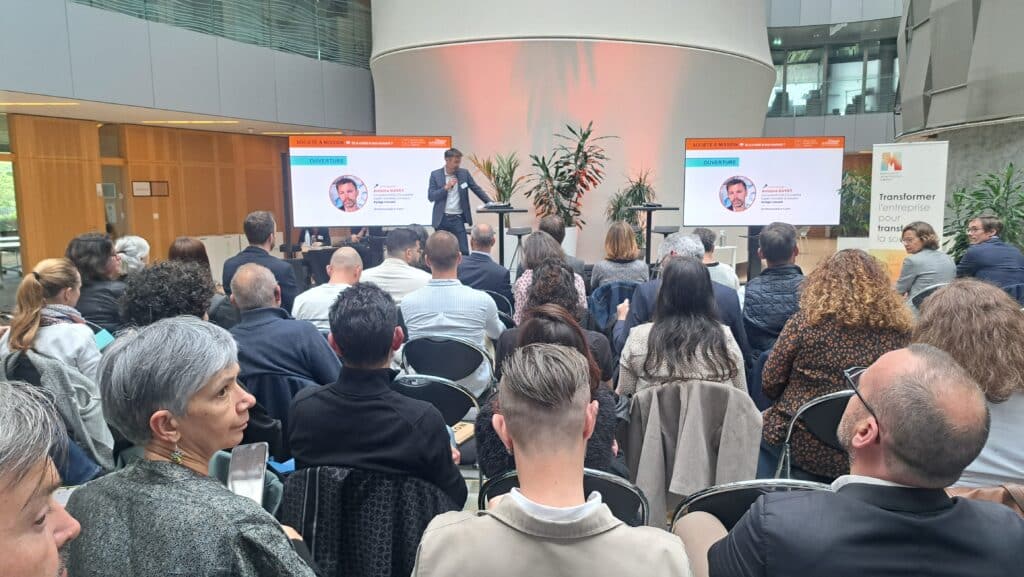
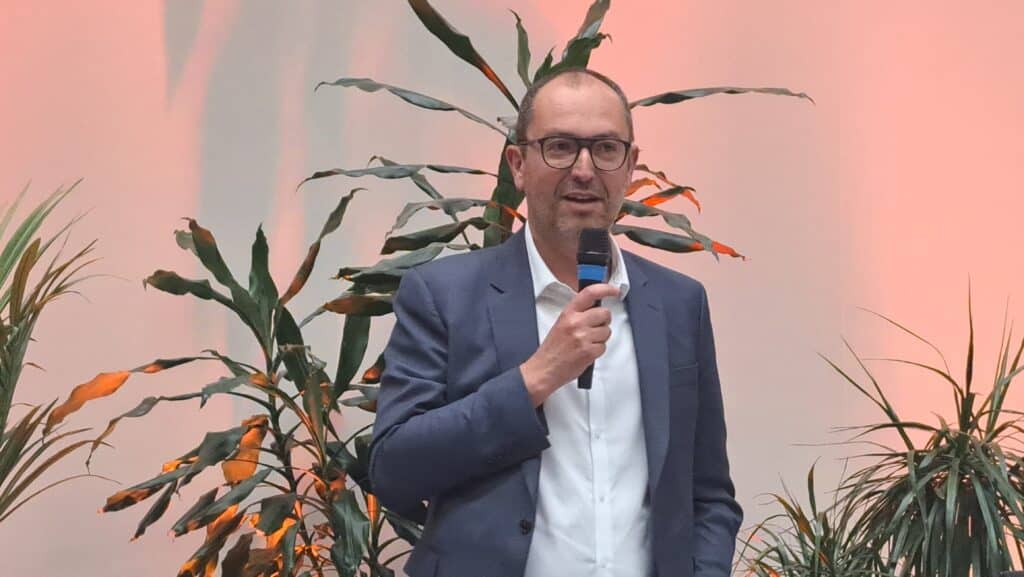
Within the Charier Group, several initiatives have also been implemented to embed the mission in the corporate culture: the creation of a “mission mural,” an onboarding program for new employees centered on the group’s commitments, and the incorporation of criteria related to safety and carbon emissions reduction into profit-sharing schemes. “To get teams on board, you have to make the mission concrete and visible in employees’ day-to-day lives,” insists Jean Vidal. At Hike Talent, a company founded directly as a mission-driven company, the collective mission is presented as early as the recruitment interviews in order to unite employees around a “shared vision .” Benoît Thierry, a member of Hike Talent’s mission committee, also emphasizes the importance of constantly adapting: “A mission-driven company must know how to evolve its model while staying true to its course.”
A challenging model, but one that is useful in difficult times
The discussions also underscored that a mission-driven company remains, first and foremost, a business, facing the same economic realities as others. For example, when it comes to implementing a job-preservation plan, as was the case at CETIH in 2024. Cécile Delecrin, who is also an elected member of the Social and Economic Committee (CSE), believes that the company’s status as a mission-driven company fostered a collective dialogue “to take measures that were as least burdensome as possible for the affected employees.” In her view, without this framework, decisions might have been made in a more isolated manner, with more severe consequences.
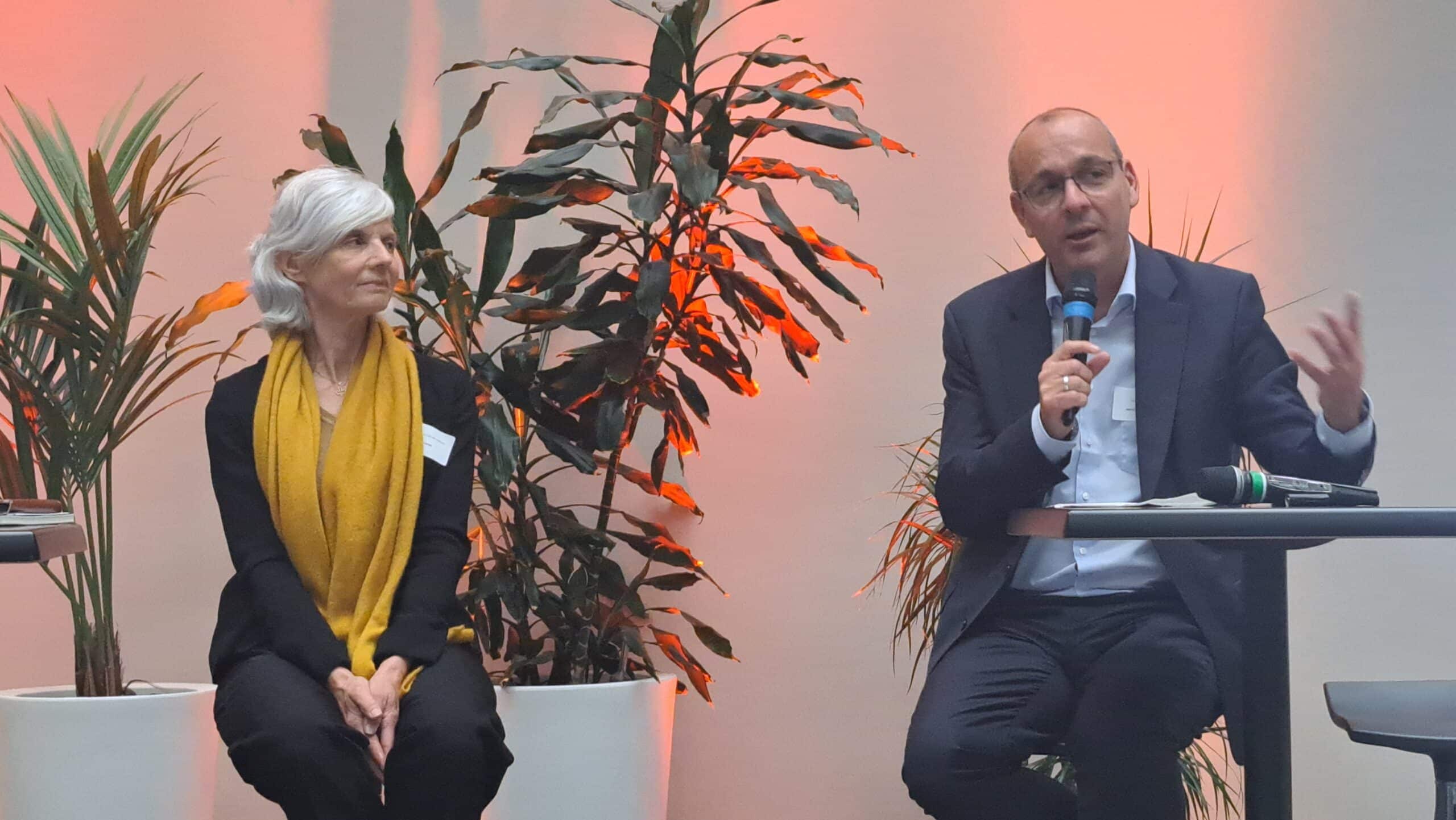
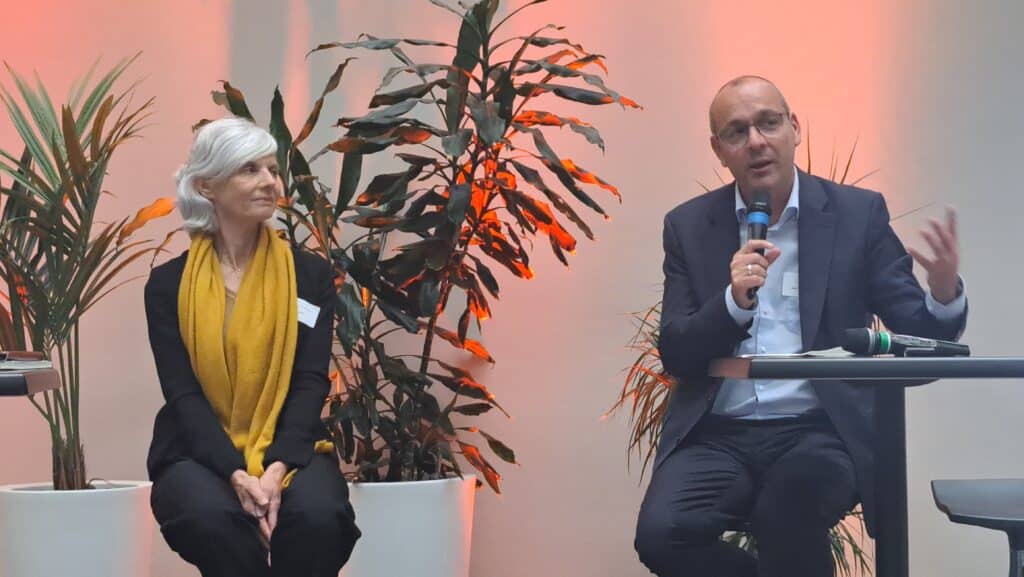
This ability to weather periods of tension was widely discussed during a second roundtable moderated by Anne-Claire Périn —HR Director at Cetih and CEM ambassador—which brought together Laurent Berger, Director of the Institut Mutualiste pour l’Environnement et la Solidarité, and Geneviève Ferone Creuzet, co-founder of Prophil and an expert in CSR and responsible investment. Both emphasized that a “mission-driven company” is neither a label nor a guarantee of virtue.
For Geneviève Ferone Creuzet, the model derives its strength precisely from the alignment it implies among executives, shareholders, employees, and external stakeholders. She sees the mission-driven company as a particularly relevant framework in a more unstable economic climate: “The mission-driven company proves its worth when the going gets tough.”
Corporate Social Responsibility
Beyond tools and methods, the speakers advocated for a renewed vision of the role of business in society. Laurent Berger believes that this approach encourages organizations to further develop strategic dialogue with employees and to rethink their responsibility within their economic and social ecosystem. Geneviève Ferone Creuzet sees this as a way for companies to anticipate the major environmental, energy, and societal transformations ahead. Both believe that the model will continue to evolve without necessarily becoming the dominant one. They conclude that “younger generations will be more inclined to join a company that offers a sense of purpose.”